Bedroom setup ideas for sleeping comfortably after night shifts
Your workday ends as the sun rises. You drive home, but your body feels out of sync. It expects to be active, not winding down. This struggle is real for many who work nontraditional hours.
Quality rest is a pillar of good health. Without it, you might feel drained or irritable. Over time, this can impact your well-being and safety.
This guide is built on practical experience. We understand the unique challenge of resting when the world is awake. You deserve to feel refreshed and recharged.
We will explore simple, effective adjustments. These ideas focus on light control, sound management, and comfort. Even small changes in your personal environment can make a significant difference.
Our goal is to help you find real relief. You can build a routine that supports your schedule. Let’s create a space where you can truly unwind.
Understanding the Challenges of Night Shift Sleep
The main obstacle to quality daytime rest lies deep within your biology. Your body operates on a powerful 24-hour internal clock. This system, known as your circadian rhythm, is primed by light.
It expects you to be alert during the day and asleep at night. Working through the night forces you to fight this natural rhythm.
The Impact on Circadian Rhythm
Your internal clock relies heavily on light cues. Exposure to morning sunlight on your drive home sends a powerful “wake up” signal. This directly conflicts with your need to wind down.
The result is a constant internal battle. This misalignment is a core reason many people on nontraditional schedules experience insomnia. Their sleep becomes fragmented and less restorative.
Health Implications of Inadequate Sleep
Chronic sleep loss has serious effects on your well-being. Research links it to a higher risk for conditions like heart disease and diabetes.
It can also contribute to high blood pressure and affect your mood. Your immune function may weaken over time.
Fatigue also has immediate effects on your safety and performance. It slows reaction times and decision-making. This matters greatly if your work involves driving or complex tasks.
Understanding these challenges is the essential first step. It allows you to build a routine that works with your body, not against it.
Designing a Relaxing Sleep Environment
Creating a calming atmosphere begins with thoughtful choices about colors and organization. Your personal space should feel like a true retreat from daily demands. This environment directly supports your need for deep, restorative rest.
Visual and Aesthetic Considerations
Choose colors that promote relaxation rather than alertness. Soft earth tones and muted blues work well for this purpose. These hues help signal to your brain that it’s time to unwind.
You don’t need a major renovation to achieve this effect. A warm-toned throw blanket or calming wall art can transform the feel of your room. Avoid bright, energizing colors that might keep your mind active.
| Calming Colors | Stimulating Colors | Best Applications |
|---|---|---|
| Soft blues | Bright reds | Bedding and accents |
| Muted greens | Electric yellows | Wall art and decor |
| Warm neutrals | Vibrant oranges | Rugs and curtains |
Minimizing Clutter and Stress
Visual clutter creates mental noise that interferes with relaxation. Piles of laundry or scattered items can trigger low-level stress. This makes it harder to quiet your mind when you need to rest.
Spend a few minutes each day putting things in their proper place. Keep surfaces like nightstands clear and simple. An organized space promotes a peaceful state of mind.
Your bedroom should feel like a sanctuary where you can truly disconnect. Even small spaces can become havens of tranquility with careful organization.
Bedroom setup for sleeping after night shift
The foundation of quality daytime recovery lies in how you arrange your personal retreat. This space should send clear signals to your body that it’s time to rest, even when daylight says otherwise.
Your environment is not just about comfort. It’s about creating conditions that tell your system to wind down. This approach helps counteract your natural wake-up cues.
| Sleep-Supportive Elements | Common Disruptors | Simple Solutions |
|---|---|---|
| Cool temperature | Bright screens | Remove electronics |
| Complete darkness | Clutter and mess | Clear surfaces nightly |
| Quiet atmosphere | Work-related items | Designate a sleep-only area |
The most effective sleep environment is one that consistently signals safety and rest to your nervous system.
Start with what you can control today. Move distracting items out of sight. Position your bed for easy access and good air circulation.
Keep the temperature cool and the space organized. These simple adjustments create a dedicated zone for recovery.
Consistency matters most. Once you find arrangements that work, maintain them. Your body will learn to associate this space with deep, restorative rest.
Choosing the Right Bedding and Mattress
The surface you rest on each day forms the foundation of your recovery. If your mattress sags or feels uncomfortable, even the best environment won’t guarantee deep rest. This investment pays off in how refreshed you feel.
Mattress Features and Comfort
Your ideal mattress depends on your body and preferences. Consider your weight and preferred sleeping position. Side sleepers often need more cushioning for hips and shoulders.
Look for a well-built surface that provides even support. It should not develop lumps or sagging over time. A mattress that traps heat can disrupt your rest.
| Sleep Position | Recommended Firmness | Key Features |
|---|---|---|
| Side | Medium-soft | Pressure relief for hips |
| Back | Medium-firm | Lumbar support |
| Stomach | Firm | Spinal alignment |
“Research confirms that a new mattress can improve sleep quality and reduce back pain significantly.”
Your sheets and pillows matter just as much. Choose breathable fabrics like cotton or linen. These materials help regulate temperature throughout your rest.
Pillows should keep your head and neck aligned. If you wake with soreness, consider a different pillow height. Regularly washing your bedding keeps everything fresh.
You don’t need to spend a fortune. Focus on finding what works for your body. A good review of your current setup might reveal simple upgrades.
Optimizing Your Room’s Noise Levels
Managing audio disruptions is crucial for quality rest during daylight hours. External noise from traffic or neighbors can interrupt your recovery when the world is awake.
These interruptions prevent deep rest your body needs. Controlling sound levels helps create consistent conditions for recovery.
White Noise and Sound Machines
White noise works by masking sudden sounds that startle you awake. It creates a steady audio backdrop that helps your brain ignore disruptions.
You have several practical options available. A dedicated machine, a low-speed fan, or smartphone apps can generate soothing sounds.
Rain or ocean waves provide calming alternatives. The goal is consistent, non-disruptive background noise.
Earplugs and Sleep Headphones
Foam earplugs offer maximum noise blocking but need regular replacement. They’re effective for loud environments near your space.
Silicone options are washable and reusable. They allow some sound through while reducing disruptive noise levels.
Bluetooth sleep headphones provide a middle ground. They block external noise while playing calming music or nature sounds.
Remember, effective noise management focuses on reducing jarring interruptions. Total silence isn’t necessary for quality rest.
Controlling Light for a Dark Sleep Environment
Managing light exposure can dramatically improve your ability to rest during daylight hours. Your circadian rhythm depends on light cues to regulate your sleep-wake cycle.
When sunlight enters your space, it tells your brain to stay alert. This makes quality rest nearly impossible when you need it most.
Benefits of Blackout Curtains
Blackout curtains create an artificial nighttime environment. They block exterior light completely, allowing your body to produce melatonin naturally.
Look for thick, well-fitted options that cover the entire window. Proper installation prevents light leaks around the edges.
Some blackout curtains also reduce outdoor noise. This double benefit supports deeper rest during active daytime hours.
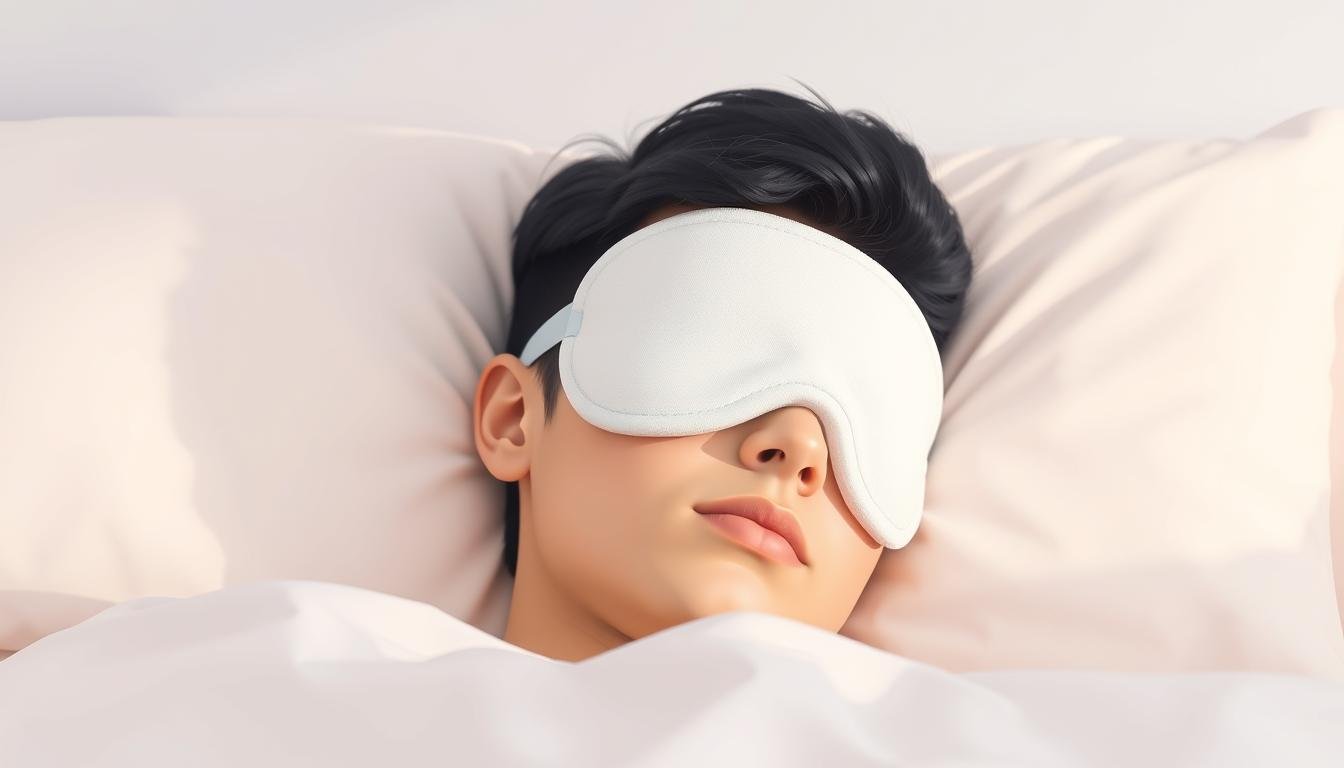
Enhancing Sleep with Sleep Masks
A quality sleep mask offers portable darkness wherever you rest. It’s ideal for renters or those who cannot modify their windows.
Choose 3D contoured designs that don’t press on your eyelids. This allows comfortable eye movement and blinking.
A well-fitted mask stays in place during movement. It provides consistent light blocking throughout your rest period.
Whether you choose curtains, a mask, or both, darkness is essential. This simple adjustment supports your body’s natural rhythms.
Managing Temperature and Air Quality
The comfort of your rest space depends heavily on two physical factors often overlooked. These elements work together to create conditions that support deep recovery.
Your body needs to cool slightly to initiate rest. This natural process helps you fall asleep faster and stay asleep longer.
Cooling Solutions for the Bedroom
Most people rest best in cooler conditions between 60-71°F. When the temperature rises, your body receives signals to stay alert.
Simple adjustments can make a big difference. Opening a window brings in fresh air when outside conditions permit. A fan circulates air effectively throughout the space.
For more precise control, consider a portable air conditioning unit. These systems cool just your immediate area efficiently. Some people find bed cooling pads helpful for personalized temperature regulation.
Improving Indoor Air Quality
Clean, fresh air supports better breathing during rest. Stale air or allergens can cause disruptions throughout your recovery period.
Proper ventilation helps maintain good air quality. Regular cleaning reduces dust and mold buildup. These simple habits contribute to a healthier rest environment.
Focusing on temperature and air creates optimal conditions for recovery. Even small changes in these areas can improve how you feel upon waking.
Implementing a Consistent Sleep Schedule
Even the most carefully prepared environment won’t help if your body doesn’t know when to rest. Your internal clock depends on predictable patterns to release sleep hormones at the right .
Go to and rise at the same every day. This consistency trains your to expect rest during daylight hours. Your works in cycles, and regular timing ensures you get enough REM to feel truly rested.
Keep your schedule on days off too. Changing your confuses your internal . Even a one-hour window helps your adapt.
“The most powerful signal for quality sleep is consistency in timing, not perfection in environment.”
Melatonin can help shift your circadian gradually. It teaches your that daytime is for . According to the Sleep Foundation, this approach works best with steady timing.
Protect your like you would a night shift. Set boundaries with family. Silence your phone. Your daytime rest deserves the same respect.
Building this takes effort, but it’s worth it. As experts note, consistency is your strongest tool for better rest and health.
The Role of Diet: Avoiding Overeating and Caffeine
Nutrition timing is just as important as your sleep environment for quality rest. What you eat and drink before winding down directly affects your ability to fall asleep and stay asleep.
This becomes especially crucial when your body’s natural rhythm already opposes daytime recovery. Smart choices can make a significant difference in how refreshed you feel.
Smart Pre-Bedtime Nutrition
Eating a large meal too close to your bedtime creates digestive challenges. Your body struggles to process food while trying to wind down for rest.
This can lead to indigestion, gas, or heartburn that keeps you awake. These discomforts interfere with your ability to fall asleep peacefully.
Allow at least two hours between your last meal and your scheduled rest time. This gives your body adequate time to digest properly.
If you feel hungry before bed, choose a light snack instead of a full meal. Small portions satisfy hunger without overwhelming your digestive system.
| Timing Before Rest | Potential Effects | Recommended Approach |
|---|---|---|
| Less than 1 hour | Digestive discomfort, heartburn | Avoid eating entirely |
| 1-2 hours | Mild digestive activity | Light snack only if needed |
| 2+ hours | Optimal digestion complete | Ideal for larger meals |
Caffeine requires careful timing consideration. Its stimulating effect can linger in your system for six hours or more.
Plan your last coffee consumption for early in your shift. Switch to water or decaf options as you approach your rest time.
Alcohol also interferes with sleep quality when consumed close to bedtime. Allow at least four hours between drinking and your scheduled rest period.
These adjustments support your body’s natural processes. They help create conditions conducive to deep, restorative recovery.
Incorporating Technology and Sleep Aids
Technology offers practical tools to support your rest when the world is awake. The right digital aids can create consistency in your environment. They help signal to your body that it’s time to wind down.
Using Sleep Apps and Smart Devices
Many people find sleep apps helpful for creating consistent audio environments. These applications offer white noise, nature sounds, or calming music. The steady background noise helps mask daytime disruptions.
Some apps also track your sleep patterns over time. They show how much time you spend in deep versus light sleep. This data helps identify patterns and adjust your routine.
Smart devices offer another way to automate your environment. Programmable thermostats maintain ideal temperatures for rest. Smart lights can gradually dim, signaling your body to prepare for sleep.
Remember that technology should support your rest, not disrupt it. Avoid screen content that keeps your mind active. As part of your consistent sleep routine, these tools work best when used thoughtfully.
Personalizing Your Space for Better Rest
Meaningful touches transform a functional area into your own comforting retreat. While blackout curtains and a good mattress are essential, your personal space should feel welcoming.
This bedroom should be a refuge where you can shut the door and feel at home. It’s not just a generic room where you happen to sleep.
Adding Meaningful Decor
Your personal touches make the space truly yours. Display photos of loved ones or cherished objects from meaningful trips.
These items don’t need to be expensive. What matters is their significance to you. A favorite piece of art or a simple poster that makes you smile works perfectly.
This approach helps your bedroom feel like your own space, not a hotel room. It’s part of respecting your needs as someone with an unusual schedule.
Start small with one or two meaningful items. Place them on a wall, shelf, or nightstand. Notice how it changes the way you feel when entering your bedroom.
Even small personal touches make a big difference in comfort. They help create a welcoming environment that supports better rest.
Additional Tips for Optimized Night Shift Sleep
Beyond your physical environment, certain routines and supplements can significantly improve your daytime sleep quality. These final strategies complete your approach to better rest.
Pre-Sleep Routines and Relaxation Techniques
Create a consistent wind-down period before your scheduled rest time. Give yourself thirty minutes to transition from work mode.
Avoid screens and bright lights during this window. Instead, try calming activities like reading or gentle stretching.
Simple relaxation methods can help you fall asleep faster. Deep breathing or progressive muscle relaxation work well.
| Relaxation Method | Time Required | Effectiveness |
|---|---|---|
| Deep Breathing | 5-10 minutes | High for stress reduction |
| Progressive Muscle Relaxation | 10-15 minutes | Excellent for physical tension |
| Light Reading | 15-20 minutes | Good for mental distraction |
Effective Use of Melatonin and Other Aids
Melatonin is your body’s natural sleep hormone. Taking supplements can help when daylight disrupts your rhythm.
Start with a low 0.5mg dose about thirty minutes before bed. Increase slowly if needed, up to 5mg maximum.
Always use melatonin with darkness for best effect. Combine it with your sleep mask or blackout curtains.
This approach is safe for long-term use. Consult your doctor if you have health conditions or take other medications.
Conclusion
Your dedication to quality sleep directly influences your health, safety, and time with loved ones. This personal responsibility requires effort, but each small change makes a difference.
Remember the core strategies that work together as a system. Blocking light, managing noise, and maintaining cool temperatures create the right environment. Consistent timing and comfortable bedding complete the foundation for better rest.
You don’t need to implement everything at once. Start with one action today—clear some clutter or commit to a regular schedule. Small steps lead to real progress in your sleep quality.
You now have the knowledge to build habits that support your unique schedule. Apply what fits your space and work life. Better rest is possible, and your body will thank you.