Using a light box to stay alert on night shift without extra caffeine
Many jobs require schedules that go against our natural sleep-wake cycle. In fact, about 20% of people in industrialized nations work nonstandard hours. This can create a real struggle for your well-being.
Up to 38% of these employees experience shift work disorder. This condition leaves you feeling exhausted when you need to be awake and makes rest difficult when you finally have time. It’s a challenge that impacts safety and quality of life.
Instead of relying solely on caffeine, which can lead to crashes, there are methods that align with your biology. Brightness exposure, for example, is a powerful tool for influencing your internal clock.
This guide offers a clear, practical plan. We’ll explore how specific strategies can help you feel more alert during your hours on the job. You will learn techniques that fit into a busy schedule, even in a small break room.
Our focus is on realistic steps you can start tonight. The goal is to help you work safely, get home without drowsiness, and find the rest you deserve before your next shift begins.
Understanding the Role of Light in Regulating Circadian Rhythms
Your body runs on a powerful internal schedule called the circadian rhythm. This internal clock tells you when to feel awake and when to feel tired. The strongest signal for setting this daily rhythm comes from your environment.
How Light Influences Melatonin Production
Brightness hitting your eyes sends a direct message to your brain. It tells your brain to halt production of melatonin, the hormone that makes you drowsy. This is why you feel more alert in a well-lit space.
Your body naturally increases melatonin as evening falls, preparing for sleep. Working against this natural wave is the core challenge of a night schedule. It feels like swimming upstream.
Scientific Insights from Recent Studies
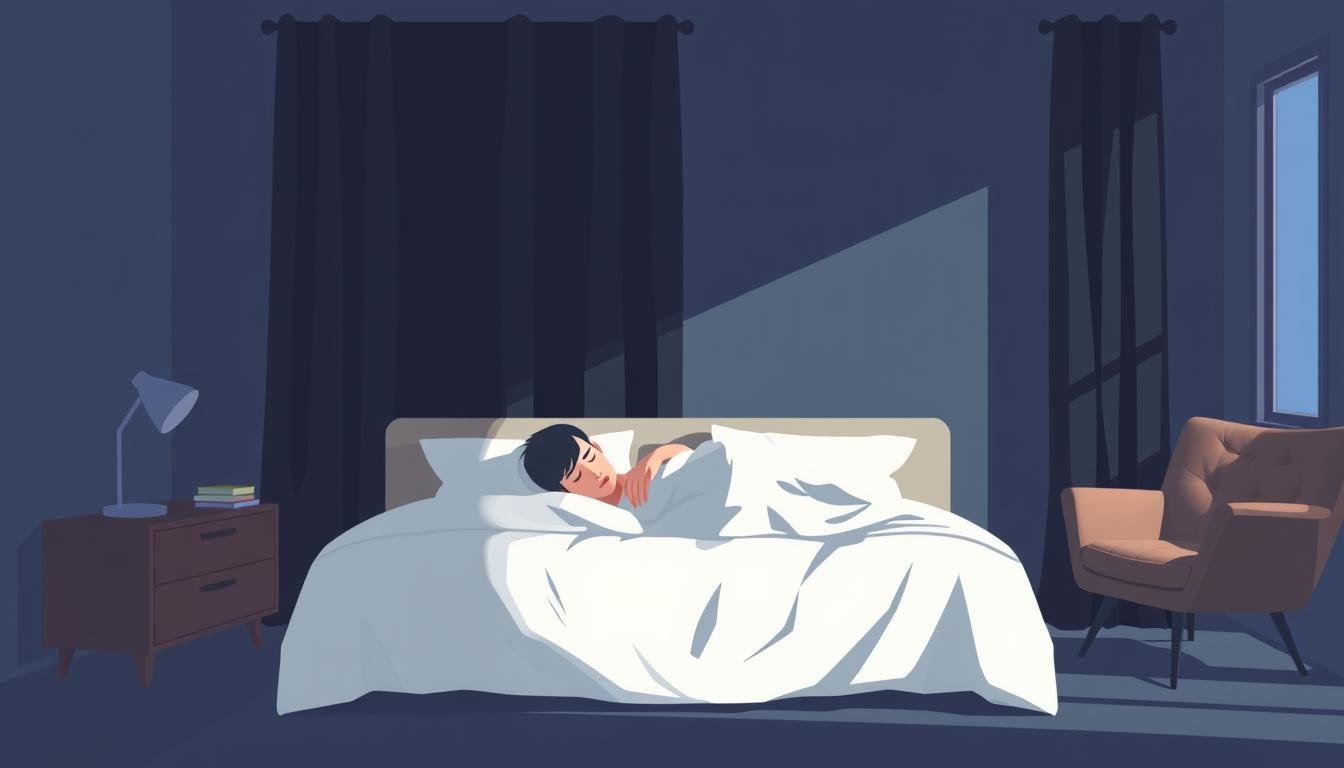
Research confirms that even light filtered through closed eyelids can lower melatonin levels. This finding highlights the importance of total darkness for daytime sleep. Blackout curtains or a good eye mask are not luxuries; they are essential tools.
Studies on shift workers show that carefully timed brightness exposure can reset the wake-sleep cycle. This resynchronization helps you stay sharp on the job and rest more deeply afterward. It’s about giving your body the right cues at the right time.
Understanding this interaction between light and your internal hormone rhythm provides a practical strategy. Use brightness to suppress melatonin before and during your shift. Then, prioritize darkness to let it rise when you need to sleep.
How Bright Light Therapy Influences Alertness and Sleep
Research demonstrates that controlled light exposure provides significant benefits for those working against their natural rhythm. This approach taps into your body’s biological wiring to create sustainable wakefulness.
Sitting near a specialized lamp or under strong overhead illumination mimics natural daylight. This tells your brain it’s time for focus and activity. The effect is immediate and sustained throughout your work period.
The Benefits of Exposure to Bright Light
Studies show this method reduces fatigue and minimizes errors during long hours. It also improves mood when energy typically dips. The benefits extend beyond your shift into your daytime rest.
This therapy helps establish a clear boundary between work time and sleep time. Your brain learns to associate brightness with alertness and darkness with rest. This reinforcement leads to better sleep quality when you finally get home.
Some research shows mixed results, often because consistency matters. The approach works best when you maintain the same schedule for several days. Rotating between day and night shifts can reduce effectiveness.
People in safety-sensitive roles report particular benefits. They feel more alert and make fewer mistakes. This is crucial when operating machinery or caring for others.
The key advantage is working with your biology rather than against it. Unlike caffeine crashes, this method provides steady alertness. It’s a research-backed tool that fits into any routine.
For optimal results, timing matters. Learn more about the best time to use light therapy for shift to maximize these benefits.
Using Light Box to Stay Alert on Night Shift
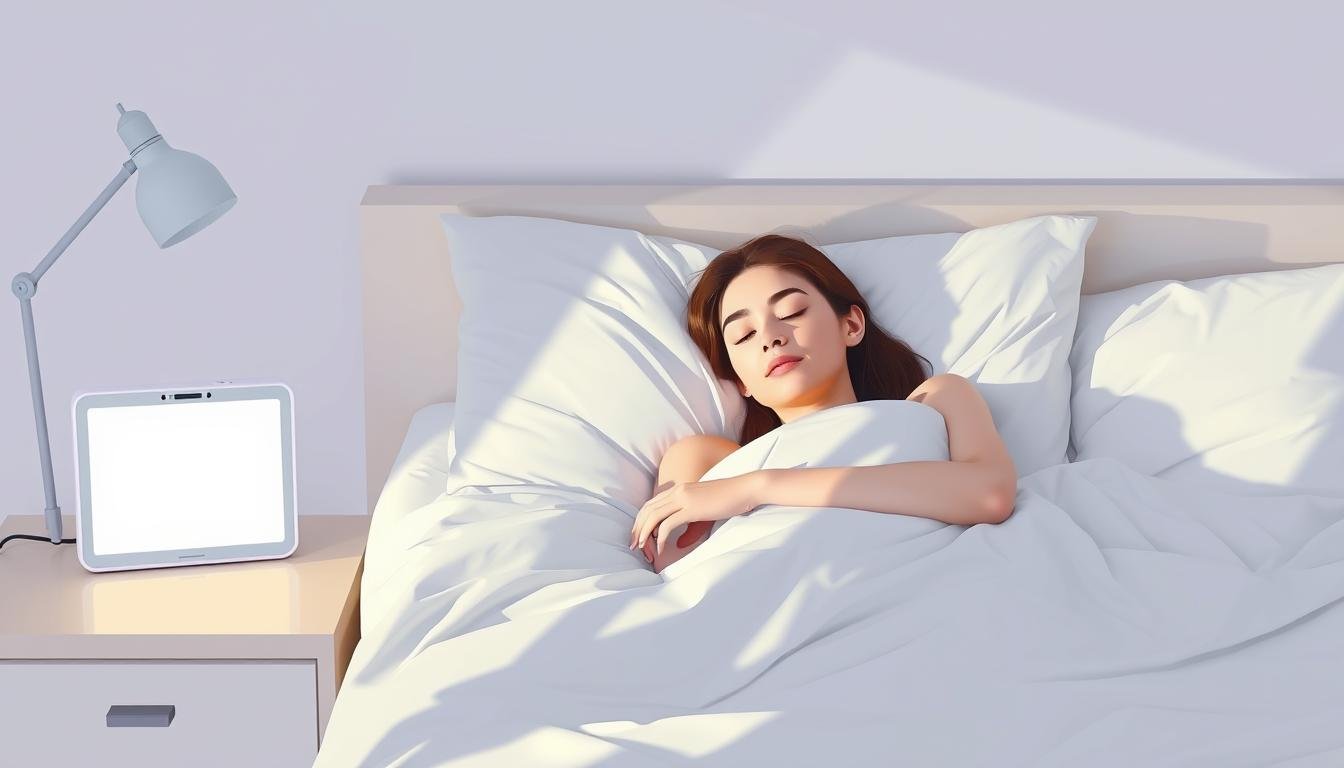
A specialized lamp can reset your internal clock when working evening hours. These devices provide concentrated illumination that tells your brain it’s daytime. The effect is immediate and helps maintain focus during your job.
The Mechanics Behind Light Therapy
These lamps emit bright white or blue-enriched illumination at approximately 10,000 lux. That’s much stronger than regular room lighting. The intensity is safe for your eyes when used as directed.
Simply position yourself near the device for about 30 minutes. You don’t need to stare directly at it. The light entering your eyes sends signals to suppress melatonin production.
“Strategic light exposure can significantly improve alertness during non-traditional hours by directly influencing circadian physiology.”
For consecutive evening schedules, consistency matters most. Use the lamp before each work period begins. Consider an additional session if fatigue appears mid-way through your duties.
| Schedule Pattern | Recommended Timing | Duration | Avoid |
|---|---|---|---|
| 3+ consecutive evenings | Before shift + mid-shift if needed | 30 minutes | Last hour of work |
| Rotating schedule | 30-60 minutes before starting | 20-40 minutes | Within 2 hours of sleep |
| Single evening | During first half of shift | 20-30 minutes | Late exposure |
Many people keep a portable unit in their break area. You can use it while eating or preparing for duties. This integrates therapy into your routine without extra time commitment.
This approach provides steady energy without caffeine crashes. It’s a practical tool that respects your body’s natural rhythms. The goal is sustainable alertness throughout your work period.
Implementing a Pre-Shift Light Therapy Routine
The timing of your light exposure plays a crucial role in resetting your internal body clock. A consistent pre-shift routine helps your circadian rhythm adjust to evening hours. This preparation makes the transition smoother when your work period begins.
Timing Your Exposure for Maximum Alertness
Schedule your session one to two hours before your shift starts. This allows melatonin suppression to peak as you begin working. If you start at 11 p.m., aim for 9-10 p.m.
Consistency matters most. Use the same timing each evening you work. Your body will learn to anticipate the shift.
Begin therapy a day or two early when rotating onto evening hours. This helps your first shift feel less jarring. It’s a gentle nudge for your system.
Optimizing Light Intensity and Duration
Most effective devices deliver 10,000 lux at a comfortable distance. Check your manufacturer’s guide for proper positioning. The right intensity ensures melatonin suppression.
Aim for at least 30 minutes per session. Shorter durations may not provide full benefits. Longer sessions close to sleep time can interfere with rest.
Integrate this into your pre-work routine. Use the device while eating or preparing for duties. This makes it feel natural rather than like an extra chore.
After your shift, focus on how to reset sleep after 12 hour night. Proper rest completes the cycle.
Managing Light Exposure During and After Your Shift
Your strategy for managing brightness must adapt as your work period progresses. What helps you stay focused during hours on the job can sabotage your rest when the shift ends. Timing is everything.
A consistent approach makes the transition between alertness and rest smoother. It signals to your body when it’s time for activity and when it’s time for deep recovery.
Mid-Shift Light Boost Tips
Many employees feel a dip in energy around 3 or 4 a.m. This is a critical point for safety and performance. A brief session with a bright lamp can counteract this wave of drowsiness.
Keep a small, portable device in your break area. Use it for ten to fifteen minutes when fatigue sets in. Let the illumination hit your eyes to push back tiredness effectively.
“Timed light exposure during the night has been shown to improve alertness and reduce sleepiness in shift workers.”
Avoid this kind of exposure during the final hour of your duties. Late sessions can delay your body’s readiness for sleep. This makes it harder to wind down at home.
Post-Shift Light Avoidance Strategies
Once your work is done, your goal changes completely. You now need to encourage melatonin production for rest. This means avoiding bright signals.
Put on dark sunglasses or blue-light filtering glasses immediately after stepping outside. This is crucial if the sun is up. It shields your eyes from the alertness-promoting effects of daylight.
If you leave before dawn in winter, you may not need them. But be cautious with any streetlights or early morning sky glow. Your commute home should be as dark as possible.
At home, keep lights dim. Use blackout curtains or a sleep mask in your bedroom. This creates a dark sanctuary for resetting your sleep after a long stretch of work. Treat the morning like your nighttime.
Integrating Alternative Alertness Techniques Beyond Caffeine
Maintaining focus during unconventional hours requires more than just managing light exposure – hydration and rest play crucial roles. These simple strategies can make a significant difference in how you feel throughout your schedule.
Staying Hydrated and Energized
Water is essential for steady energy levels. Many employees forget to drink enough during busy periods.
Keep a water bottle at your station and sip regularly. Aim for about 64 ounces throughout your schedule. This habit helps prevent fatigue and headaches that disrupt concentration.
Dehydration often goes unnoticed when you’re focused on duties. Even mild lack of fluids can impact mental sharpness. Make hydration part of your routine without extra thought.
Taking Strategic Naps for Better Performance
Brief rest periods offer a powerful energy boost. A 20-30 minute break can refresh your mind significantly.
Find a quiet space and use earplugs or an eye mask. Set an alarm to avoid deep sleep grogginess. This quick recharge helps you finish strong.
Combining these approaches with other strategies creates a comprehensive toolkit. You’ll have multiple ways to maintain energy when you need it most.
Addressing Health Concerns and Circadian Disruption
Working against your body’s natural clock comes with serious health considerations that accumulate over time. The effects extend beyond simple tiredness into real medical conditions.
Understanding Risks of Shift Work Disorder
Shift work disorder affects up to 38% of employees on non-traditional schedules. This isn’t just feeling tired—it’s a recognized sleep disorder with specific symptoms.
People experience crushing sleepiness during work hours yet cannot rest properly at home. This chronic sleep deprivation disrupts your body’s repair processes.
Research shows long-term consequences include higher rates of type 2 diabetes and heart disease. Some studies even suggest increased cancer risks.
Maintaining a Healthy Balance Between Work and Rest
The psychological effects are equally concerning. Mood problems and depression increase by 15-20% among shift workers.
Cardiovascular issues double, while gastric problems become five times more common. These health effects compound over years of disrupted circadian rhythm.
Recognize when your schedule damages your well-being. Use the strategies in this guide, but also know your limits.
Talk to a doctor if you struggle with constant fatigue or new health problems. Sometimes switching schedules or roles becomes necessary for long-term health.
Practical Modifications for a Healthier Night Shift Lifestyle
Your schedule choices directly influence your ability to maintain energy and focus during demanding shifts. Small, consistent adjustments to your routine make a significant difference over time.
Adapting Your Work Environment
Request brighter lighting in your workspace if possible. This simple change helps combat drowsiness during crucial hours.
Take short, frequent breaks to move around and stretch. Even five minutes away from your station refreshes your mind.
Keep your area cool—heat amplifies fatigue. A small fan or adjusting the thermostat helps maintain alertness.
Lifestyle Habits That Improve Sleep Quality
Stick to a consistent pre-sleep routine, even on days off. Your body craves predictable patterns.
Create a dark, quiet sleep sanctuary. Blackout curtains and white noise machines block disruptive sounds and light.
Avoid screens for an hour before rest. The blue light interferes with your natural sleep-wake cycle.
Resist the urge to cram daytime errands into your rest period. Protect your sleep like you would a valuable asset.
Conclusion
Finding sustainable energy during late hours comes down to working with your biology rather than fighting against it with temporary fixes. This approach respects both your job demands and personal health.
Brightness exposure before and during your shift helps suppress melatonin naturally. Blocking illumination afterward supports deeper daytime rest. Combine this with hydration and strategic breaks for comprehensive support.
The long-term effects of shift work on health are significant. Protecting your sleep quality isn’t optional—it’s essential for career longevity. Start with small changes like a brief session before work and sunglasses on your commute home.
You won’t solve every challenge that comes with unconventional schedules. But you’ll have a practical plan that fits your life. Remember that proper rest after demanding hours completes the cycle of sustainable performance.