Choosing the best sleep mask for night shift workers
Your shift ends as the sun comes up. The world is waking up, but your body needs to shut down. This daily fight against your natural rhythm is exhausting.
Daylight, noise, and a wired brain make rest feel impossible. Your health and job safety depend on finding real solutions.
A simple tool can make a huge difference. The right covering blocks light, telling your brain it’s time to rest. This helps your body produce melatonin, the hormone for slumber.
This guide is built on years of feedback from people like you. We will walk through the features that matter most after a long stretch. It’s not about a miracle cure. It’s about practical steps toward restorative rest.
Getting quality shut-eye isn’t a luxury. It’s essential for your well-being, performance, and time with family. For more on resetting your body after a 12-hour stretch, see our guide on how to reset sleep after a 12-hour night.
Understanding the Challenges of Sleeping During Night Shifts
Your internal clock is fighting against your work schedule. This internal timer, your circadian rhythm, expects darkness for rest and light for activity. Trying to rest during the day goes against millions of years of human biology.
Impact on Circadian Rhythm and Sleep Patterns
Even after weeks on a late schedule, your body never fully adapts. Days off often reset your internal clock back to a normal pattern. Sunlight at 9 AM triggers wakefulness hormones, making it a struggle to fall asleep.
Irregular schedules leave your system in a constant state of mild jet lag. Your body never knows when to expect rest. This inconsistency is a core reason why quality slumber feels so elusive.
External Distractions and Daytime Interruptions
The world is noisy when you need quiet. Garbage trucks, landscaping crews, and delivery drivers create a racket that day sleepers never face. Neighbors might not even realize someone is trying to rest.
This goes beyond simple noise. There is an emotional weight to sleeping when everyone else is active.
It can feel unnatural and lonely, as if the world is passing you by.
You might miss family time or feel isolated. These challenges affect your long-term health and job performance. For a deeper look at solutions, our guide on resetting your body’s clock offers practical steps.
Benefits of Using a Sleep Mask for Night Shift Workers
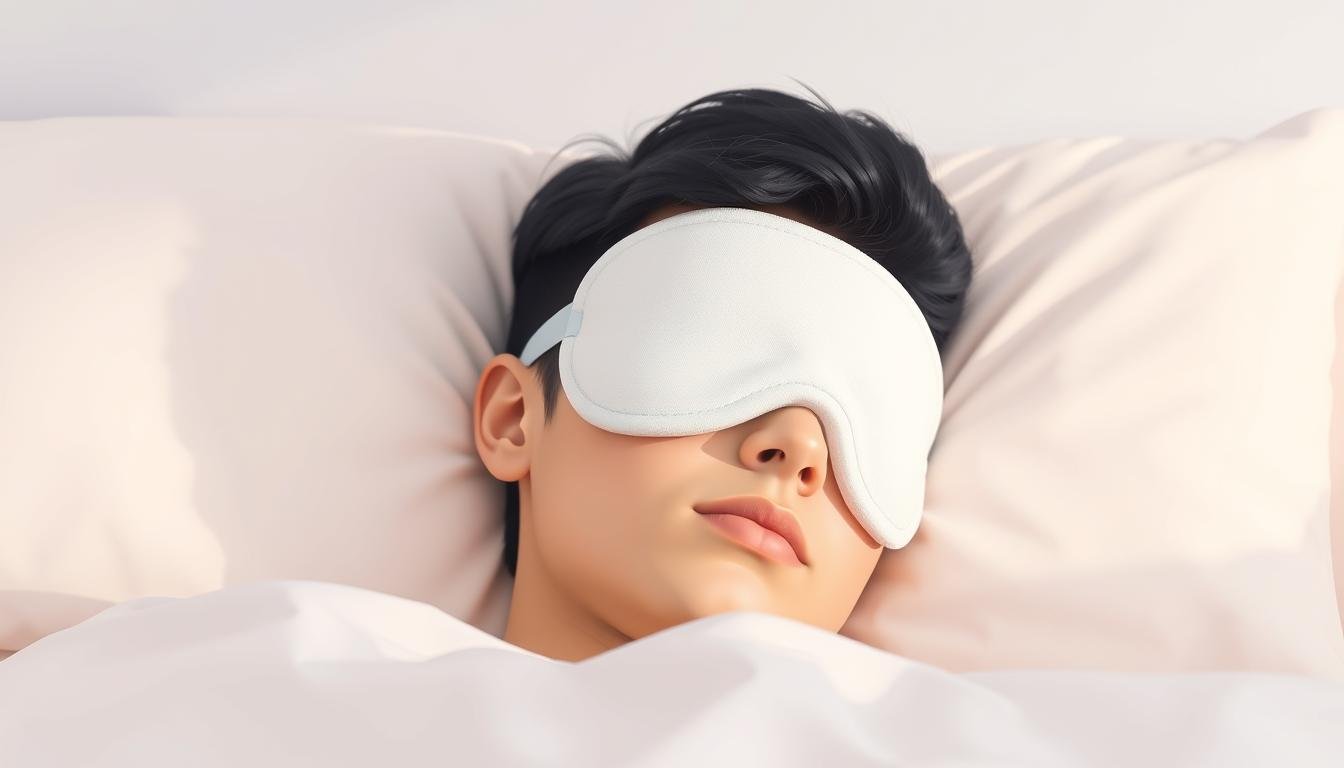
Finding true darkness during daylight hours can transform your recovery. A quality eye covering creates an immediate sanctuary for rest.
This simple tool bridges the gap between work exhaustion and restorative slumber. It provides practical advantages that support your health and performance.
Blocking Light and Enhancing Melatonin Production
Complete darkness signals your brain to produce melatonin naturally. Even bright midday sun cannot penetrate a well-designed eye covering.
This biological trigger helps you achieve deeper REM stages. Your body receives the recovery it desperately needs.
| Environment | Light Level | Melatonin Production | Rest Quality |
|---|---|---|---|
| Bright Room | High | Low | Poor |
| Dim Room | Medium | Moderate | Fair |
| With Quality Mask | Zero | High | Excellent |
Improving Comfort and Overall Rest Quality
Padded designs reduce pressure around sensitive areas. They create a comfortable cocoon that encourages relaxation.
Some options include cooling features or gentle contours. These additions help ease tension from long hours of work.
Portability makes this solution ideal for various locations. You can use it during breaks or while traveling between jobs.
Analyzing Different Sleep Mask Materials and Designs
The right choice in materials can make your rest period much more effective. Two main categories exist: flat fabric coverings and contoured foam designs. Each has distinct advantages for different needs.
Flat fabric options are often made from silk or cotton. They are lightweight and compress easily against a pillow.
Contoured foam versions have raised eyecups. This structure keeps the fabric away from your eyelids.
Silk Versus Synthetic Options
Silk feels cooler and softer against the skin. This is a key benefit during warm summer afternoons. The material is breathable and comfortable.
Molded foam options often use synthetic fabrics. They provide excellent light blocking with their shaped design. However, they can feel warmer during use.
Hybrid designs combine the best of both. They feature a foam base covered in silk. This offers structural support with a cool touch.
| Material Type | Comfort Level | Breathability | Durability |
|---|---|---|---|
| Silk | High | Excellent | Moderate |
| Synthetic | Medium | Good | High |
| Foam | High | Fair | Medium |
| Hybrid | High | Good | High |
Personal preference plays a big role in selection. Some prefer the barely-there feel of silk. Others need the structured darkness of foam eyecups.
Consider your routine and what feels most natural. The ideal choice is the one you will use consistently. A perfect design left in a drawer offers no benefit.
Key Features in the best sleep mask for night shift workers
When selecting eye coverings for daytime use, the strap and fit matter most. These elements determine comfort during essential rest periods.
Adjustable Fit and Secure Strap Design
The strap system can make or break your daytime rest experience. Adjustable straps with sliding buckles stay quiet during adjustments. Velcro fasteners scratch pillowcases and may disturb others.
Single-strap designs work for back sleepers but shift for side positions. Dual-strap systems distribute pressure better across your head. They stay positioned throughout your rest period.
Thinner strap materials matter more than people realize. Wide, thick elastic presses into temples and ears when you’re on your side. This discomfort builds over hours.
Effective Light Blocking and Contoured Edges
Proper light blocking requires both good coverage and proper fit. Even a perfect sleep mask leaks light if it shifts during rest.
Most coverings let a small amount of light around the nose bridge. The best designs use extra coverage or soft contouring to minimize this gap. They prevent uncomfortable pressure on the bridge.
Contoured edges around the perimeter help the mask seal against your face. This creates a secure fit without pressure points on cheekbones or forehead. For complete darkness, consider pairing with budget-friendly room darkening solutions.
Features work together: comfortable straps support effective light blocking. The right combination ensures you’ll actually use your eye covering.
Expert Reviews and Product Roundup Insights
Real-world testing reveals which eye coverings actually work for people who rest during daylight. Our team evaluated options based on years of feedback from shift workers.
User Experiences and Tester Feedback
The Alaska Bear Silk Contoured stands out at $19.99. This hybrid design combines silk comfort with foam structure. It blocks light effectively without tight pressure.
For hot sleepers, the Alaska Bear 2-Strap option costs $15.99. It feels light and cool against the skin. Some light may pass through the thin material.
Budget-conscious users might consider the Bedtime Bliss at $7.99. It delivers solid performance despite a velcro strap that can damage fabrics.
We found the Tempur-Pedic option overpriced at $29. Testers reported bulky construction creating pressure points. The Manta Pro at $79 raised safety concerns for side positions.
Personal fit varies significantly between people. A design that works for one face might leak light for another. Extended testing matters more than initial comfort.
For comprehensive comparisons, see the detailed analysis at Forbes’ product roundup. Your individual needs should guide the final choice.
Incorporating a Sleep Mask into Your Nighttime Routine
Building a sanctuary for daytime slumber requires more than just blocking out light. Your eye covering works best as part of a complete system designed for unconventional rest periods.
Creating a Sleep Sanctuary with Complementary Accessories
Combine your eye covering with blackout curtains for layered protection. Even the most effective design can shift slightly during rest. Curtains catch what the covering misses.
A white noise machine or fan becomes essential for unpredictable daytime sounds. Traffic, conversations, and construction can jolt you awake otherwise. These tools create a consistent auditory environment.
Room temperature control proves critical for quality recovery. Aim for 60-67°F during your rest hours. This range supports natural cooling processes.
| Environmental Factor | Ideal Setting | Impact on Rest Quality | Implementation Difficulty |
|---|---|---|---|
| Light Control | Complete darkness | High | Medium |
| Sound Management | Consistent white noise | High | Low |
| Temperature | 60-67°F | Medium | Medium |
| Air Quality | Good ventilation | Medium | Low |
Consistency forms the bedrock of adaptation to unconventional schedules.
Maintaining a Consistent Sleep Schedule
Try to fall asleep and wake at the same time every day. This regularity helps your body adjust to the pattern. Even on days off, maintain this rhythm when possible.
Consider putting on your eye covering when morning light begins to intrude. This extends your rest period without wearing it the entire time. It’s a practical approach many find effective.
Limit caffeine intake after your shift ends. Stop consumption at least four to six hours before planned rest. This helps your system wind down naturally.
Some workers benefit from a brief routine after getting home. A cool shower and light snack precede fifteen minutes of quiet. Then the covering goes on for proper recovery. For more detailed strategies, explore our guide on resetting your body after long hours.
Innovative Sleep Mask Designs and Emerging Trends
Manufacturers have significantly refined eye coverings in recent years based on user feedback. Daily users demand more than occasional comfort. They need reliable performance that holds up through constant use.
Hybrid Materials and Modern Comfort Features
Hybrid construction combines silk’s cooling properties with foam’s structural support. This approach addresses weaknesses in both traditional designs. The silk feels gentle against your face while foam maintains shape.
Some newer options include experimental features like cooling gel inserts. These aim to enhance relaxation during rest periods. However, practical benefits vary and often add to the cost.
| Design Approach | Materials Used | Comfort Level | Light Blocking |
|---|---|---|---|
| Traditional Flat | Single fabric layer | Medium | Good |
| Contoured Foam | Molded foam cups | High | Excellent |
| Hybrid | Silk over foam base | High | Excellent |
| Advanced | Multi-layer with inserts | Variable | Variable |
Design Adaptations for Side Sleepers
Side sleepers need thinner designs that avoid pressure points. Thick materials press against ears and temples with firm pillows. This discomfort builds over hours of use.
Premium options sometimes offer repositionable eyecups for customization. The Lumos model exemplifies this trend toward adjustable features. However, complex mechanisms can introduce potential failure points.
Despite years of innovation, the fundamental challenge remains balancing competing needs. The most advanced design isn’t always the most effective. Sometimes simpler options with well-executed basic features outperform complicated alternatives.
Consider starting with proven designs before investing in premium innovations. Basic features done well often matter more than advanced features done poorly.
Conclusion
Making daytime slumber effective isn’t about fighting biology but finding practical solutions that support it. This unconventional schedule demands tools that create real darkness when your body needs rest most.
No single design works perfectly for every person. Your face shape and preferred position influence which option feels right. The ideal choice combines comfort with complete light blocking.
Remember that your eye covering works best as part of a complete system. Consistent timing, a cool room, and sound management all contribute to better quality recovery. These elements work together to support your health and job performance.
Give any new tool at least a week of regular use before judging results. Initial unfamiliarity fades with routine. For more detailed strategies on adapting your body’s rhythm, explore our guide on resetting after long hours.
Daytime rest may never feel completely natural, but with the right approach, you can achieve the recovery needed to stay healthy and present for what matters.