Best time to use light therapy when you work rotating shifts
More than 22 million Americans work evenings, nights, or rotating schedules. This lifestyle forces you to sleep against your body’s natural clock. You end up continually sleep-deprived, getting hours less rest than you need.
This exhaustion affects everything. It hits your attention, concentration, and mood. If you work nights or early mornings, falling asleep can feel impossible no matter how tired you are.
This guide offers a practical plan. We will show you how strategic light exposure can help your body adjust. The goal is to help you stay alert on the job and finally get the rest you deserve at home.
We cover when to seek out bright light and when to avoid it. You will learn how to fit these sessions into a real schedule without adding stress. The advice is clear and respectful of your time and exhaustion.
By the end, you will have a simple strategy to start today. This approach can help whether you work three nights in a row or change weekly. It’s a key part of learning how to reset your sleep after a long shift.
Understanding Shift Work and Circadian Rhythms
Working against your body’s natural timing system creates significant challenges. Your internal body clock runs on circadian rhythms that follow a 24-hour cycle. These patterns control when you feel alert and when you need rest.
How Shift Work Disrupts the Body Clock
Your body expects daylight for activity and darkness for sleep. Night work forces you to be awake when your system wants to shut down. This conflict disrupts hormone production and temperature regulation.
The table below shows how schedules affect your natural rhythms:
| Regular Day Schedule | Night Shift Schedule | Impact on Body |
|---|---|---|
| Wake with sunlight | Wake in afternoon/evening | Confuses internal timing |
| Sleep during darkness | Sleep during daylight | Reduces sleep quality |
| Consistent daily pattern | Frequently changing routine | Prevents rhythm stabilization |
The Impact on Sleep Quality and Overall Health
Fighting your body clock leads to chronic sleep problems. You get less deep rest and wake more often. This exhaustion affects job performance and safety.
Long-term health risks include heart issues, metabolic changes, and mood disorders. Understanding this conflict helps you see why learning how to reset your sleep becomes essential for night workers.
Light Therapy: Benefits and Potential Risks
Managing light exposure provides a practical approach to handling irregular schedules. This treatment works by sending specific wavelengths into your eyes, influencing your internal body clock. The goal is to help you feel more awake when needed.
Enhancing Alertness and Resetting Rhythms
Bright light affects specialized cells in your eyes that communicate with your brain. This signal suppresses melatonin, the hormone that makes you sleepy. The result is improved alertness when you need it most.
Studies show this exposure can boost job performance and reduce errors. However, timing is critical. Using light at the wrong moment can disrupt your sleep patterns.
Many find that strategic sessions help them reset their sleep cycle more effectively. The key is consistency and proper timing.
Understanding Melatonin and Side Effects
Melatonin levels naturally rise at night to promote rest. Light therapy blocks this hormone, which is helpful during work but problematic before bed. Understanding this balance is essential.
Side effects are usually mild when used correctly. Some people experience jitteriness or headaches with excessive exposure. Starting with shorter sessions helps your body adjust.
Always listen to your body’s signals. If you feel overstimulated, reduce the duration or intensity of your light sessions.
Timing Strategies: best time to use light therapy for shift work
The effectiveness of light exposure depends heavily on when you schedule your sessions. Proper timing helps align your internal clock with job demands.
Pre-Shift Light Exposure to Boost Alertness
For consecutive overnight schedules, plan sessions 30-60 minutes before starting. This prepares your system for the hours ahead.
It delays melatonin production, helping you stay focused when others might fade.
Mid-Shift Adjustments for Sustained Energy
During long stretches, consider brief exposure around the halfway point. This provides a needed energy lift.
Many find this helps maintain concentration through demanding overnight periods.
Post-Shift Techniques to Facilitate Sleep
After finishing, block blue light immediately. Special glasses prevent interference with natural melatonin.
This simple step makes falling asleep easier when you get home.
Strategic timing turns light exposure into a practical tool for managing unconventional schedules.
Practical Tips for Implementing Light Therapy
Getting the right tools makes all the difference when adapting to unconventional work hours. The equipment you choose should fit seamlessly into your routine without adding stress.
Choosing the Right Light Boxes and Equipment
Look for devices that deliver at least 1000 lux at your typical viewing distance. The color temperature should fall between 5500K and 6500K for optimal alertness benefits.
Consider these key features when selecting your equipment:
| Feature | Minimum Requirement | Ideal Range |
|---|---|---|
| Light Intensity | 1000 lux | 1000-10,000 lux |
| Color Temperature | 5500K | 5500-6500K |
| Session Duration | 15 minutes | 15-30 minutes |
| Placement Distance | 1 foot away | 1-2 feet from eyes |
Position the device at eye level during your session. You don’t need to stare directly at the bulbs—just let the light reach your eyes naturally.
Integrating Blueblocker Glasses in Your Routine
These glasses become essential after your shift ends. They filter out blue wavelengths that interfere with melatonin production.
Wear them during your commute home or in bright indoor spaces. If you leave before sunrise or stay in dark environments, you might not need them immediately. Still, keep a pair handy for schedule changes.
Consult a sleep specialist if you have eye conditions or light sensitivity. Small adjustments to your equipment and timing can significantly improve results.
Integrating Light Therapy with Healthy Sleep Practices
Even the most carefully planned light sessions can be undone by a bedroom that fights against your need for rest. A supportive home environment is essential for achieving deep, restorative sleep after long hours.
Optimizing Your Sleep Environment at Home
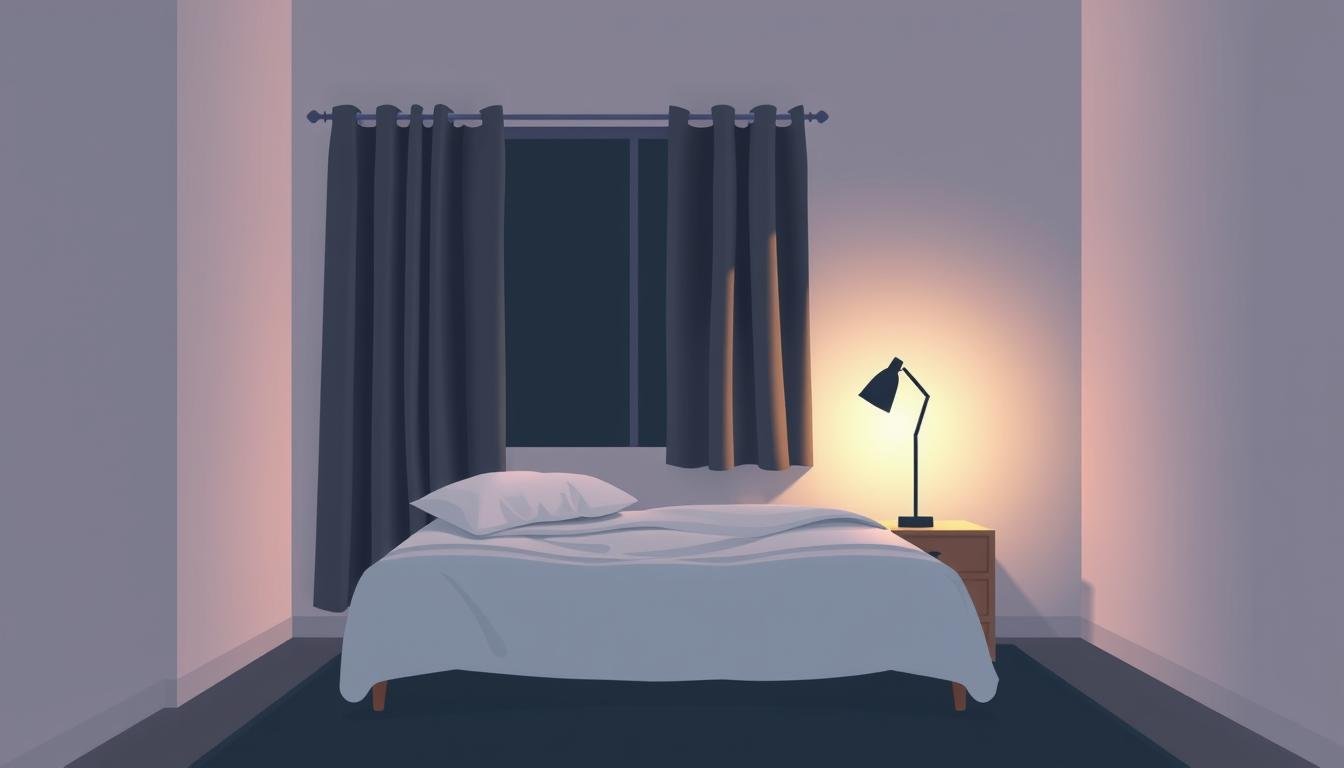
Start by making your bedroom a sanctuary for day sleep. Blackout curtains are non-negotiable. They tell your brain it is night, even at noon.
A white noise machine or fan masks daytime sounds like traffic and conversations. This prevents sudden awakenings that ruin your sleep cycle.
Keep the room cool, around 65 to 68 degrees. Your body temperature drops naturally during rest. A warm room disrupts this process.
Consistency on your days off is powerful. If you work steady nights, try to keep the same sleep schedule. Switching back to a night schedule confuses your body clock.
For rotating schedules, ease into the change. Adjust your bedtime by one to two hours each day leading up to the new shift. This gradual approach is gentler than a sudden switch.
Communication with your household is key. Post your work schedule so everyone knows your quiet hours. This simple step helps you learn how to reset your sleep with family support.
Pair these changes with your light sessions. You will notice better sleep quality and fewer mood problems from exhaustion.
Conclusion
You’ve taken a crucial step by learning how strategic light exposure can support your demanding schedule. The core strategy is clear: seek bright light before and during your shift for alertness, and protect yourself from it afterward to secure quality sleep.
Remember, this is a powerful tool, not a magic cure. It helps manage the exhaustion and health risks linked to unconventional hours. Start with one small change, like a brief session before your next night shift.
Track your sleep quality and on-the-job focus. Adjust based on what you observe. This approach works best alongside a dark, quiet bedroom and a consistent schedule, even on days off.
This practical plan is backed by research on timed bright light exposure for night adaptation. If sleep problems persist, consult a doctor familiar with shift work.
Your well-being is paramount. You deserve rest that truly restores you after a long shift.