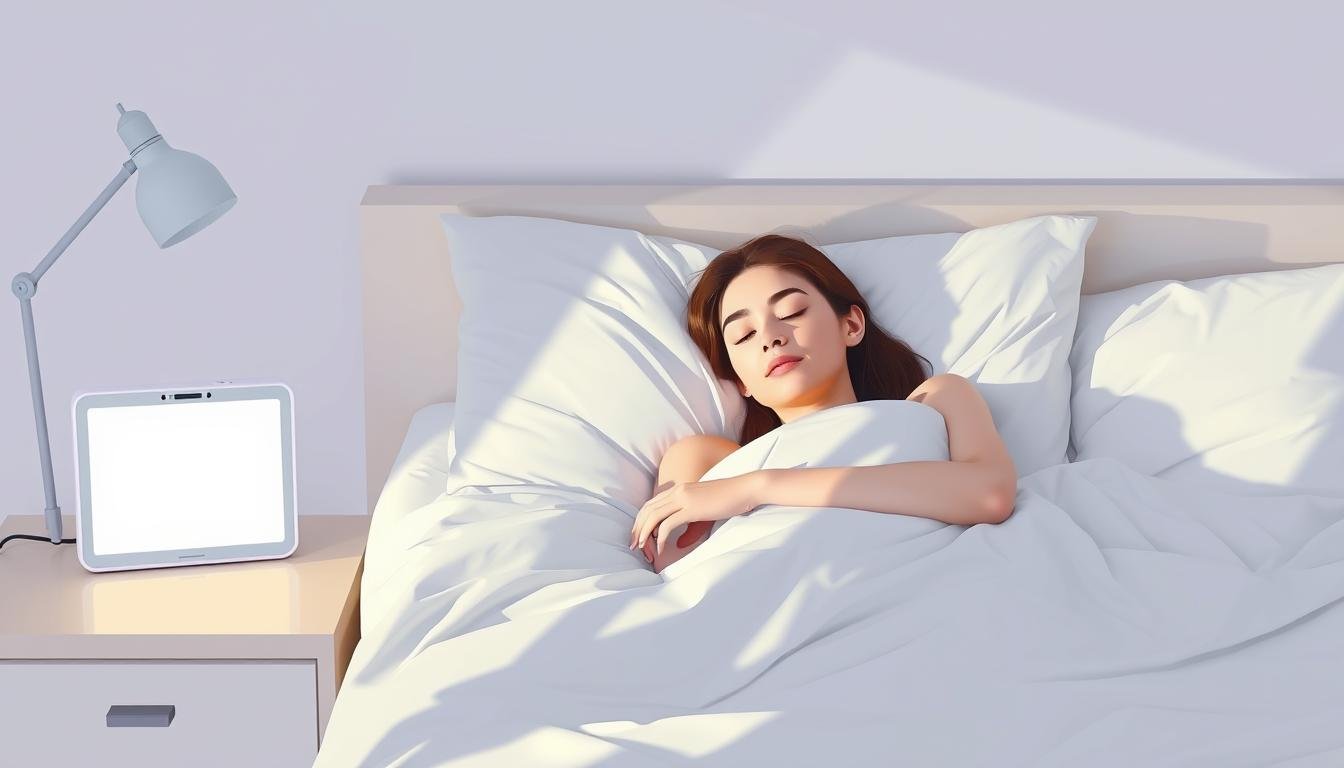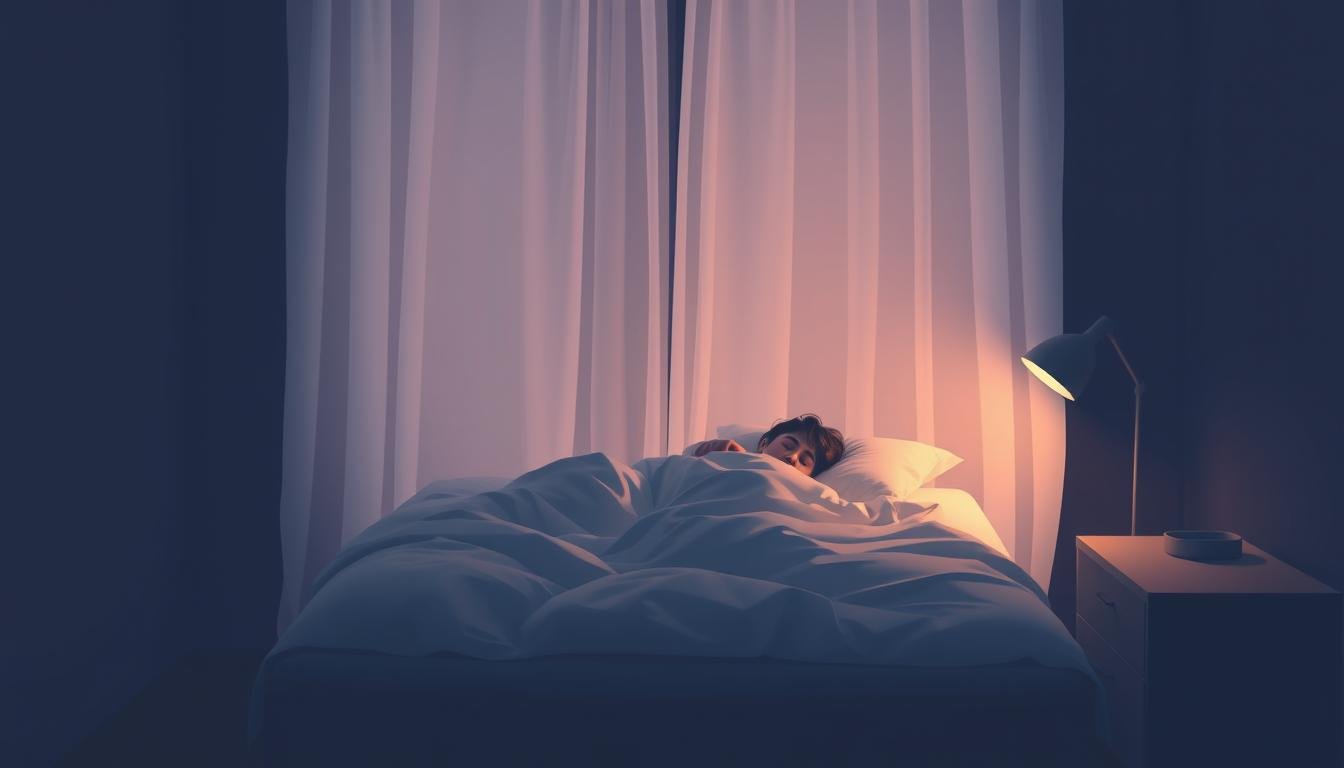
Best ways to make your room dark enough for deep sleep
After a long night shift, your body craves deep rest. But unwanted light can keep you awake. Streetlights, early sunrise, or a hallway bulb disrupt your natural sleep signals.
This guide offers practical steps. We focus on simple changes you can make today. These adjustments help you fall asleep faster and sleep more soundly.
Light is a powerful signal to your brain. It tells your body to be alert. Blocking light is a key part of managing your sleep environment, especially during the day.
Even small improvements can make a big difference. Better sleep means you feel safer and more alert on your next shift. Let’s build a sanctuary for your rest.
Understanding the Importance of a Dark Bedroom
Your body runs on a powerful internal clock. This is your circadian rhythm. It guides your natural sleep-wake cycle, signaling when to feel alert and when to wind down.
Darkness is the key signal for rest. In response, a small gland in your brain produces melatonin. This hormone prepares your body for sleep.
The Role of Melatonin and Circadian Rhythm
Melatonin is your natural sleep aid. Its production surges when your eyes detect darkness. This process is vital for feeling sleepy at the right time.
For those on rotating schedules, timing melatonin production becomes crucial. Light exposure at the wrong moment can reset your entire cycle.
How Light Disrupts Your Sleep-Wake Cycle
Even a sliver of light can interrupt your rest. Your retinas sense this light and send a signal to your brain’s master clock.
This signal tells your brain it’s time to be awake. It halts melatonin production immediately. Your body’s preparation for deep sleep is interrupted.
Understanding this process shows why a dark space is essential. It’s not just about comfort—it’s about supporting your body’s biology for the rest you need.
Science Behind Light and Sleep
Light exposure before rest has a direct impact on your ability to fall asleep. The connection goes deeper than simple comfort.
How Ambient Light Affects Hormone Production
Research shows that bright overhead lights before bed can delay melatonin production. This hormone signals your body to prepare for rest. Even when you feel exhausted, excessive light exposure tells your brain to stay alert.
The ideal pre-sleep environment should have less than 10 lux of light. That’s similar to a dimly lit hallway. For deep rest, aim for near-total darkness around 1 lux.
Effects of Blue Light and Artificial Illumination
Blue light from phones and LED bulbs is particularly disruptive. Your brain interprets these wavelengths as daylight. This signals your body to remain awake instead of winding down.
Small light sources matter too. A charging cable or alarm clock glow can interfere with natural hormone cycles. Understanding your melatonin dose for night shift workers becomes essential when artificial light disrupts your rhythm.
Picture 1 lux: a room lit by a single candle or dark twilight after sunset. That’s the level where quality sleep begins.
best ways to make room dark for sleeping
Effective window coverage is essential for creating a truly dark sleeping environment. Standard window treatments often fall short against bright sunlight or persistent street lighting.
Practical Methods with Blackout Curtains and Blinds
Blackout curtains provide reliable protection against external light. Their special lining completely blocks incoming brightness from sun or street sources.
Unlike regular curtains, these specialized window coverings prevent light penetration. They create the darkness your body needs for quality daytime sleep.
Many designs feature side channels that seal against the wall. This prevents light leaks around the edges that can disrupt your rest.
Simple DIY Fixes to Block Light Sources
Affordable alternatives work when new curtains aren’t an option. Aluminum foil applied directly to the window glass creates an immediate barrier.
Extra blankets or pillows can be temporarily hung over the window frame. Layering materials often proves more effective than single-panel solutions.
Seal curtain edges using command strips for rental properties. Small nails work for homeowners who can make permanent modifications.
These simple adjustments help you control your sleep environment today. They transform any bedroom into a sanctuary for recovery.
Creating an Optimized Bedroom Environment
The visual environment of your sleeping space can either support or disrupt your body’s natural sleep signals. Your choice of colors and decor plays a crucial role in establishing the right atmosphere for rest.
Using Color and Decor to Enhance Darkness
Dark colors absorb light instead of reflecting it. This creates a calmer bedroom environment that helps you wind down after a night shift. Lighter shades tend to bounce light around the space, creating unwanted energy.
Even during daylight hours, darker walls and furniture help absorb stray light. This reduces the amount of reflected light during your pre-sleep transition. Your brain begins associating the space with rest more effectively.
For those who rent or share spaces, dark paint may not be an option. Consider neutral tones or cool-spectrum colors like soft greens and blues. These create a more restful sleep environment than bright, energizing shades.
Small changes can make a significant difference. Swap out bright bedding for darker options. Add darker curtains or area rugs. These adjustments improve your overall sleep environment without major expense.
Creating an ideal bedroom environment is about working with your current space. Focus on practical changes that support your body’s natural need for darkness and rest.
Innovative Home Solutions for Blocking Light
Navigating your home safely at night without ruining your rest requires smart lighting choices. Traditional overhead lights can fully wake you during necessary bathroom trips. Modern solutions offer better alternatives.
Smart Lighting and Motion Sensor Nightlights
Motion-sensor nightlights provide gentle illumination when you need it most. They activate only when you move through the space. This prevents the jarring effect of bright overhead lights.
Red lighting offers the least disruptive option for nighttime use. Unlike blue or white light, red wavelengths have minimal impact on melatonin production. Consider installing red bulbs in hallways and bathrooms.
During evening hours, transition from bright lights to dim ambient lighting. This gradual change helps your brain prepare for rest. It signals that sleep time is approaching naturally.
Electronic devices present a particular challenge for quality rest. The blue light from phones and tablets mimics daylight. This confuses your internal clock when you’re trying to wind down.
Put devices away at least 30 minutes before you want to fall asleep. This simple habit can significantly improve your ability to stop waking up during daytime sleep. The combination of artificial light and mental stimulation delays natural sleep processes.
These small upgrades make your nighttime routine safer and less disruptive. They help maintain the darkness your body needs while accommodating necessary movement.
Step-by-Step How-To for a Completely Dark Room
Small light sources can disrupt your rest more than you might realize. Even a tiny glow signals your brain to stay alert. This guide walks through eliminating every light leak systematically.
Disabling Unwanted Night Lights and LEDs
Walk through your bedroom with lights off. Notice every glowing dot from electronics. Cover LED indicators with duct tape squares.
For displays you need during daylight hours, drape a t-shirt over them at night. This simple trick blocks unwanted illumination.
Layering Solutions: Window Treatments and Door Gaps
Block hallway light with a rolled towel under the door. This prevents street light from entering your space.
Combine blackout curtains with extra blankets over windows. Clamp the edges to prevent slivers of light.
Arranging Accessories for Maximum Darkness
Place your phone face-down to avoid screen flashes. An eye mask works if complete darkness isn’t possible.
Remember: light penetrates eyelids, affecting melatonin. Keep masks on all night for effectiveness.
These practical adjustments create the restful environment your body needs after demanding shifts.
Lifestyle Adjustments to Promote Deeper Sleep
Your daily habits before you try to rest are just as important as a dark bedroom. The right routine signals your body to start winding down. This is especially crucial when your circadian rhythm is out of sync with the day.
Reducing Screen Time and Electronic Distractions
Put your phone, laptop, and tablet away at least 30 minutes before bed. The blue light from screens tricks your brain into thinking it’s daytime. This delays melatonin production, making it harder to fall asleep.
This simple change reduces mental stimulation and light exposure. It directly supports your body’s natural sleep preparation.
Establishing a Consistent Pre-Sleep Routine
Even with a changing schedule, a consistent routine helps. Try switching from bright overhead lights to dim lamps an hour before rest. This gradual dimming helps your brain begin its wind-down cycle.
This small amount of effort prepares your body for rest, no matter the time of day. Consistent habits are a cornerstone of good sleep health.
Exposure to light at night may be linked with health conditions such as depression, anxiety, and obesity.
Pairing these lifestyle adjustments with a dark bedroom creates the full environment your body needs. This combination is key to achieving deeper, more restorative quality sleep.
Conclusion
The journey to better rest starts with simple adjustments to your sleeping space. Creating a truly dark bedroom environment supports your body’s natural need for quality night sleep, especially after demanding shifts.
Remember that effective solutions combine affordable fixes like blackout treatments and strategic pillows placement with smart habits. You don’t need perfection—just practical steps that help your body recognize when it’s time to rest.
Start with one small change today. Cover a window or tape over a bright LED. These efforts pay off with faster sleep onset and more restorative sleep. You have the knowledge to transform your bedroom into the peaceful sanctuary you deserve.