DIY dark bedroom ideas for better daytime sleep
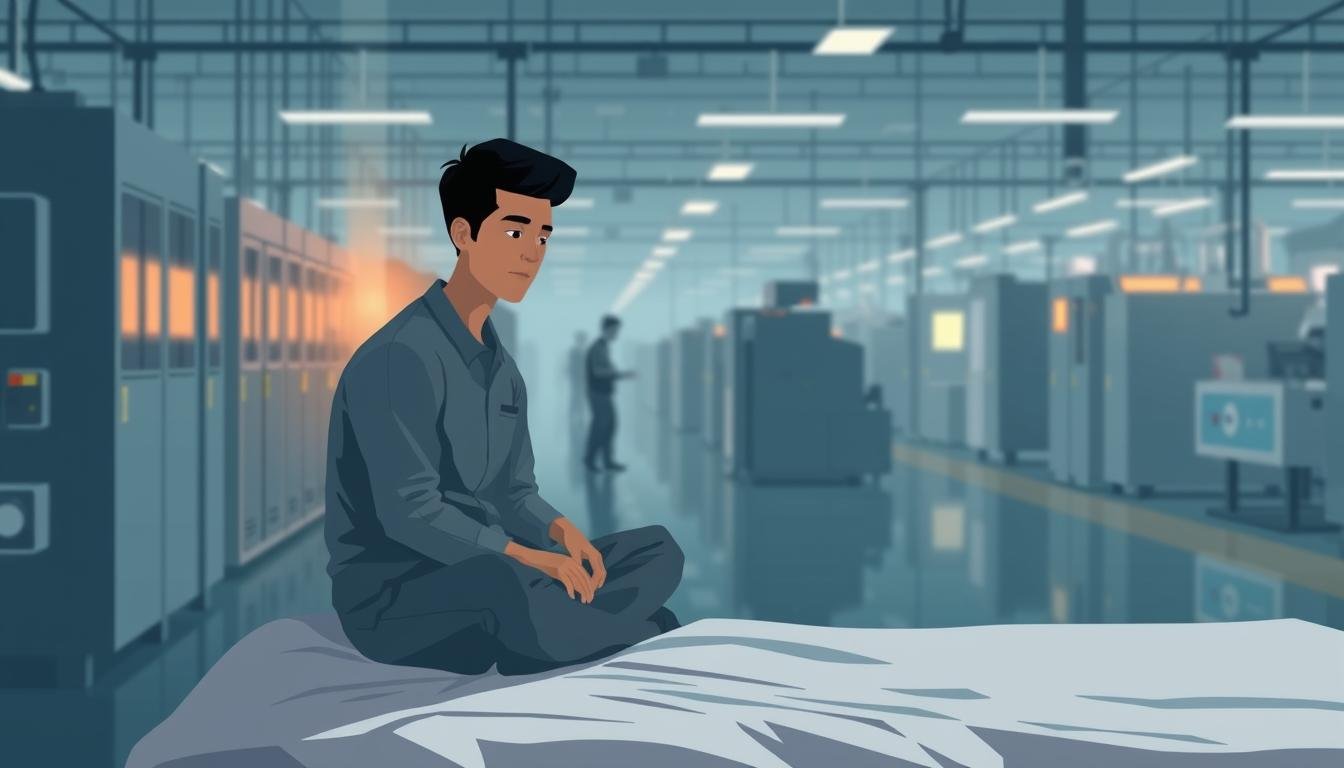
You finish your night shift as the sun rises. Your body screams for rest, but daylight tells your brain to stay alert. This daily battle wears you down week after week.
Most standard window treatments let in enough light to keep you awake. Shift workers face a unique challenge. They need true darkness when everyone else is active and the world is bright.
This guide walks through simple, affordable methods to block light effectively. You can create the perfect environment for daytime rest without expensive renovations. No professional installation required.
Some solutions cost under ten dollars and take minutes to set up. Others require more investment but deliver near-total darkness. Both approaches can transform your recovery time between shifts.
We offer real steps you can try today. Whether you rent an apartment with thin curtains or own a home with large east-facing windows, practical options exist. Morning sun flooding your room won’t stand in your way anymore.
Understanding the Impact of Light on Sleep
Your body runs on a master clock called the circadian rhythm. This internal timekeeper uses light as its main signal. It tells your body when to be alert and when to wind down.
In response to darkness, a small gland in your brain produces melatonin. This hormone prepares your body for rest. It’s the key to feeling sleepy.
But light stops this process. Even a sliver of light from a window or a phone screen can trick your brain. It keeps you in alert mode when you need to rest.
How Light Affects Melatonin Production
Light exposure during your rest period does more than just delay sleep. It shortens the time your body makes melatonin. This leads to lighter, more broken rest.
Your eyelids offer little protection. Light penetrates them, and your brain still registers the brightness. Blocking light at the source is the only effective method.
Effects on Shift Workers and Daytime Sleep
When you get home in the morning, your body sees daylight. It assumes it’s time to be awake. Melatonin levels stay low, leaving you exhausted but unable to fall asleep.
This struggle has real health consequences. Studies link disrupted rhythms to higher risks of depression, anxiety, and weight gain. Creating a dark space for rest is a practical tool for better health.
Benefits of a Dark Bedroom Environment
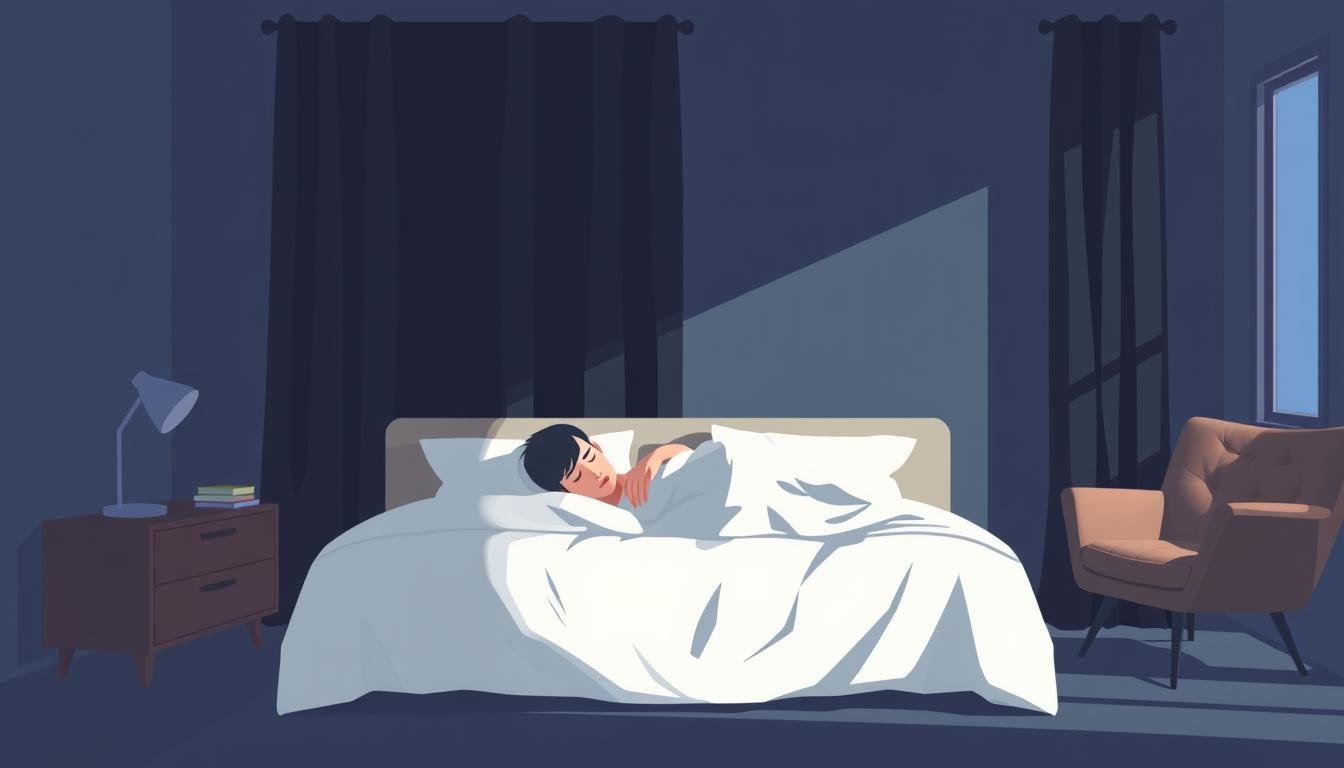
Creating a truly dark space for daytime rest delivers immediate, tangible benefits. Your brain receives a clear signal to shut down, helping you fall asleep faster. This is crucial when your schedule is upside down.
A proper sleep environment supports better rest quality. You spend more time in deep stages that repair your body and mind. This restoration is vital for your energy and safety on the job.
Improved Sleep Quality and Circadian Balance
Blocking external light sources reduces mid-sleep awakenings. Street lamps or sunrise won’t pull you from deeper stages. This leads to more consistent, restorative rest.
Every bit of darkness helps counterbalance a bright, active world. It allows your internal clock to function better. This protects your long-term health and job performance.
| Sleep Stage | Key Function | Benefit with Darkness |
|---|---|---|
| Deep Sleep | Physical repair & recovery | Longer duration, better muscle repair |
| REM Sleep | Memory consolidation & learning | Enhanced cognitive function for your shift |
| Light Sleep | Transition between stages | Fewer unwanted awakenings |
Reduced Disruption from External Light Sources
Aim for a room so dark you cannot see your hand. This is a 10 on the darkness scale. Even an 8 or 9 makes a meaningful difference if perfect blackout isn’t possible.
This effort is practical, not perfectionism. It pays off in how you feel when you wake up. It’s a key step to stop waking up during your main rest.
Investing in darkness creates conditions for your body to rest well. You handle the demands of rotating shifts more effectively. Your recovery time becomes truly productive.
diy dark bedroom for daytime sleep: Essential DIY Strategies
Effective light blocking often requires a combination of purpose-built products and clever, simple fixes. You can achieve significant results without a major investment.
Focus on sealing gaps where brightness enters. Even small improvements make a real difference in your ability to rest.
Selecting and Using Blackout Curtains and Blinds
If your current window coverings are insufficient, blackout curtains are a straightforward upgrade. They are widely available and designed to block light effectively.
For the best performance, choose panels wider and longer than your window frame. This allows the fabric to overlap the wall, reducing leaks around the edges where standard curtains often fail.
You can also use Velcro strips or painter’s tape to secure the sides of existing blinds or curtains to the wall. This closes gaps where light sneaks in.
Creative Alternatives to Block Light
For a quick, low-cost solution, aluminum foil taped over the glass block light completely. It costs just a few dollars, though it has a temporary look.
Cardboard cut to fit the window is another effective temporary fix. You can cover it with fabric for a cleaner appearance from inside the room.
Don’t forget the door. A rolled-up towel pressed against the bottom gap stops hallway light from creeping in. It takes seconds and requires no tools.
Even blocking eighty percent of the light can help you sleep better than you do right now.
Layering a heavy blanket over your existing rod creates a second barrier. These methods are about real improvement, not perfection.
Step-by-Step Guide to Blocking Unwanted Light
The first real step toward better rest is a simple assessment of your current space. You need to find where brightness enters. This process saves time and effort later.
Begin during the brightest part of the day. Close your curtains and door. Sit quietly for nine to ten minutes. Let your eyes adjust fully to the low light.
Resist checking your phone. The screen glow resets your vision. Patience here is key for an accurate view of your room.
Assessing Your Room’s Light Gaps and Sources
After ten minutes, open your eyes. Can you see your hand in front of your face? If so, your space needs work. Aim for a score of 8 or higher on a darkness scale.
Now, scan the area carefully. Look for small, glowing lights from electronics. Common sources include digital clocks, charging stations, and power strips.
Also check for thin lines of brightness around your window frame. Look under the door for hallway light. These gaps are often the main problem.
| Light Source Type | Common Examples | Simple Fix |
|---|---|---|
| External Gaps | Window edges, door bottom | Weather stripping, draft stopper |
| Internal Electronics | Alarm clock, charger LED | Black electrical tape |
| Reflective Surfaces | Light-colored walls, mirrors | Darker paint, reposition furniture |
Start with the biggest source of light, usually the window. Then address smaller issues. This focused approach prevents feeling overwhelmed.
This one-time assessment gives you a clear plan. You will know exactly where to focus your efforts for maximum effect. It makes the entire process smoother.
Optimizing Your Sleep Space with Ambient Lighting
Managing light exposure before bed is just as important as darkness during sleep. Bright overhead lights in your living area can delay melatonin production. This makes it harder to feel sleepy when you finally lie down.
Choosing the Right Dim Lighting for Pre-Bedtime
Switch to soft ambient lighting in the hours before rest. Use table lamps with low-wattage bulbs or wall sconces with dimmers. Warm-toned LED strips also work well for signaling wind-down time.
This applies especially to shift workers coming home in the morning. Resist turning on bright lights when you enter your home. Use soft indoor lighting to move through your space without further alertness.
For middle-of-the-night trips, install motion-sensor nightlights in hallways and bathrooms. They provide enough light for safety without the jarring brightness that makes it hard to fall back asleep.
Keep a small red-light flashlight by your bed for quick checks. Red light has less impact on melatonin than white or blue light. These simple changes help your body align with your sleep schedule, even at nine in the morning.
Designing a Functional and Stylish Dark Bedroom
Creating a room that works for both rest and daily activities requires thoughtful planning. Your space needs to support deep recovery while remaining practical during waking hours.
Balancing Darkness with Daily Use
Choose window treatments that operate smoothly. Blackout curtains on quality rods allow quick transitions between light and dark.
Adhesive panels offer another option. They peel off easily when you need natural light. This flexibility makes your space adaptable.
Incorporating Sleep-Friendly Colors and Materials
Select calming paint colors like deep blues or soft grays. These tones absorb stray light while creating a restful atmosphere.
Your bedding choices matter too. Darker sheets in breathable cotton help regulate temperature. Quality pillows support proper alignment.
Keep personal items organized. A tidy space feels more peaceful and reduces accidents in low light. Your room becomes a true sanctuary.
Troubleshooting and Fine-Tuning Your Setup
Finding thin lines of brightness around your window frame is a common frustration. Even quality blackout shades can develop small gaps over time. These minor leaks can still disrupt your rest if they hit your eyes directly.
Overcoming Common Obstacles and Light Leaks
For bottom gaps, press a rolled towel along the window sill. This blocks light without permanent changes. Use Velcro strips to attach curtain sides to the wall.
If blocking light at the source isn’t possible, an eye mask becomes an option. Keep in mind it must stay on all night to work effectively. Some people find them uncomfortable when they shift during sleep.
Temporary solutions like suction-cup shades offer flexibility. They work for small windows or short-term needs. Read reviews carefully since they may not fit perfectly.
For a permanent fix, Blackout EZ attaches with Velcro tape. It delivers true darkness and fits awkward window shapes. Sleepy Sundays use static cling for easy removal.
Check for less obvious light sources like cracks in frames or reflective surfaces. Fine-tuning is a process, not a one-time project. Try different methods until you find what works for your specific space.
Conclusion
Taking control of your sleep environment is a powerful step toward better rest after shifts. By working with your body’s natural melatonin production, you create conditions for deeper recovery.
This guide covered assessing light gaps, using blackout solutions like curtains and shades, and managing ambient lighting. Even small improvements help you fall asleep faster and stay asleep longer.
Start with one simple change today. Try better window coverings or seal gaps around doors. Progress beats waiting for perfect conditions.
Shift work brings challenges you cannot always control. But your personal space offers a real tool for protecting your health. Every bit of darkness helps counter a bright, active world.
Picture coming home, closing those panels, and resting in true quiet. Your body gets the signal it needs, and sleep comes easier than it has in weeks.