How to fall asleep fast after an early morning shift
A significant portion of the American population operates with insufficient rest. According to the Centers for Disease Control and Prevention (CDC), 35% of adults in the United States get fewer than seven hours of sleep per night. This is below the recommended minimum for optimal health and daily functioning.
This deficit becomes particularly challenging for individuals working an early morning shift. Their schedule forces the body to be active during times it is naturally programmed to rest. This disruption to the internal clock creates a unique obstacle when trying to achieve rest later in the day.
The consequences of not getting enough sleep extend far beyond tiredness. It can impact immune function, cardiovascular health, and mental well-being. This guide addresses the specific physiological and environmental challenges faced by these workers.
It offers practical, evidence-based strategies rooted in sleep medicine research. The goal is to provide actionable guidance for improving the ability to rest during designated hours, despite an unconventional work schedule.
Understanding Sleep Challenges After an Early Morning Shift
The human nervous system faces particular strain when work schedules conflict with biological programming. This misalignment creates significant obstacles for obtaining restorative rest.
Impact on the Nervous System and Daily Functioning
Early work schedules disrupt the autonomic nervous system’s delicate balance. The sympathetic branch remains activated during hours typically reserved for rest.
Chronic sleep restriction below six hours per night compromises multiple aspects of physical health. Research shows increased vulnerability to cardiovascular conditions and immune deficiencies. Mental health also suffers with elevated risks of depression and anxiety.
| Sleep Duration | Cardiovascular Risk | Cognitive Performance | Immune Function |
|---|---|---|---|
| Less than 6 hours | Elevated | Impaired | Weakened |
| 6-7 hours | Moderate | Average | Moderate |
| 7-8 hours | Low | Optimal | Strong |
Recognizing Signs of Sleep Deprivation
Persistent daytime drowsiness indicates insufficient sleep quality. Other warning signs include difficulty concentrating and increased irritability.
Memory problems and reduced motivation often accompany chronic rest deficits. The body signals distress through these observable changes.
Falling asleep within five minutes of lying down suggests severe sleep debt. This rapid sleep onset reflects exhaustion rather than healthy sleep patterns.
Factors Affecting Your Sleep Cycle
Sleep patterns are governed by a complex interaction of physiological processes and environmental stimuli. Understanding these factors provides the foundation for effective rest strategies.
Circadian Rhythm Disruptions
The circadian rhythm serves as the body’s internal 24-hour clock. It regulates sleep-wake cycles through hormonal signals that expect rest during nighttime hours.
Early schedule workers face conflicting environmental cues when attempting daytime sleep. Light exposure represents the most powerful circadian regulator. Natural sunlight signals wakefulness, while darkness triggers melatonin production.
Research demonstrates that blue light wavelengths from electronic devices suppress melatonin. This delay in sleep onset reduces overall sleep quality and duration.
Sleep Hygiene and Environmental Influences
Sleep hygiene encompasses behavioral and environmental factors influencing rest quality. Bedroom conditions significantly impact the ability to achieve restorative sleep.
Temperature plays a crucial role in sleep quality. Optimal bedroom temperature ranges from 60 to 68 degrees Fahrenheit for most adults. A 2023 study found older adults may sleep better between 68 and 77 degrees.
Environmental factors create additional obstacles for daytime rest. Increased ambient light, neighborhood noise, and warmer temperatures challenge unconventional sleep schedules. Identifying the specific type of sleep disruption guides effective intervention selection.
Effective Tips: how to fall asleep fast after early morning shift
Scientific evidence supports specific techniques that facilitate quicker sleep initiation for non-traditional schedules. Most adults achieve rest within 10 to 20 minutes of lying down. Times exceeding 30 minutes may indicate underlying conditions requiring professional evaluation.
These evidence-based tips provide a comprehensive framework for workers seeking improved rest patterns. Implementing multiple strategies simultaneously often proves more effective than single interventions.
The way these techniques work involves addressing different aspects of the sleep system. Some target the nervous system directly, while others modify environmental conditions.
Consistency in application matters significantly for developing new patterns. These recommendations account for unique challenges faced by those with unconventional schedules.
Approach these tips as experiments, recognizing individual responses vary. The most effective combination differs based on specific circumstances and physiology.
Creating a Soothing Bedtime Routine
Establishing calming rituals before rest periods helps synchronize physiological processes with sleep intentions. These routines signal the nervous system to transition from alertness to rest.
Incorporating Relaxation Techniques
Research supports specific activities that promote relaxation before bed. Warm showers or baths create a dual benefit: immediate stress reduction followed by a natural drop in core body temperature.
Gentle music proves effective for many individuals. Calming tracks with 60-80 beats per minute match resting heart rates.
| Relaxation Method | Primary Benefit | Optimal Timing | Effectiveness Rating |
|---|---|---|---|
| Warm Bath/Shower | Temperature Regulation | 60-90 minutes before bed | High |
| Calming Music | Heart Rate Reduction | 20-30 minutes before bed | Medium-High |
| Journaling | Mental Offloading | Right before bed | Medium |
| Reading Physical Books | Mental Distraction | 30-45 minutes before bed | Medium |
Establishing Consistent Pre-Sleep Rituals
Consistency remains crucial for bedtime routines. Performing the same activities before each sleep period strengthens their association with rest.
Journaling provides mental clarity by externalizing concerns. One study demonstrated that writing detailed lists before bed reduced nighttime rumination.
Physical books offer relaxation benefits without the sleep-disrupting effects of blue light from electronic devices. The timing of these rituals should align with individual sleep schedules.
Strategies to Calm Your Busy Mind
An overactive mind is a primary contributor to delayed sleep onset. Racing thoughts and mental rumination keep the brain activated when it should be winding down.
This state of cognitive hyperarousal is often fueled by daily stress and preoccupation with unfinished tasks. Effectively managing this mental activity is crucial for rest.
Cognitive Refocusing Methods
Cognitive refocusing provides a structured way to occupy the mind. The goal is to engage attention fully with a neutral mental task.
This technique prevents the cycle of worry-focused thinking. Effective tasks are engaging but not emotionally stimulating.
- Imagine alternative endings to a recently read book.
- Mentally compose song lyrics or redesign a familiar room.
- Construct a detailed imaginary landscape, focusing on sensory features.
Visualization and Distraction Techniques
Visualization serves as a powerful form of mental distraction. It redirects attention away from stressors toward calming content.
Research indicates that simple methods like counting sheep are often insufficient. The activity must be complex enough to prevent the mind from wandering back to anxieties.
Multisensory visualization proves highly effective. Imagine a beach scene with the sound of waves and the feeling of warm sand. This level of detail fully occupies cognitive space, facilitating the process of falling asleep.
The Role of Exercise and Daytime Habits
The relationship between daytime movement and nocturnal rest is well-documented in sleep research. Regular physical activity improves sleep quality and duration significantly.
Timing Your Physical Activity
Exercise timing proves critical for optimal rest. Vigorous workouts within one hour of planned sleep may delay sleep onset. The body requires time to cool down after intense physical exertion.
Low-intensity activities offer better pre-sleep options. Gentle movements like yoga or tai chi promote relaxation without overstimulation. These practices combine stretching with controlled breathing.
Research demonstrates yoga’s effectiveness for sleep problem management. It helps reduce stress levels while improving rest quality. This makes it suitable for individuals with unconventional schedules.
Napping strategy represents another important consideration. Short naps of 15-20 minutes can combat fatigue effectively. Longer or late-day naps may interfere with designated rest periods.
Consistent exercise schedules reinforce circadian alignment. The body develops anticipatory patterns based on activity timing. This regularity supports overall health and sleep quality.
Optimizing Your Sleep Environment
Bedroom optimization represents a critical component of effective sleep hygiene practices. The physical space where rest occurs directly influences sleep quality and duration.
Environmental factors significantly impact the body’s ability to achieve restorative sleep. Proper management of these elements creates conditions conducive to quality rest.
Managing Light, Noise, and Temperature
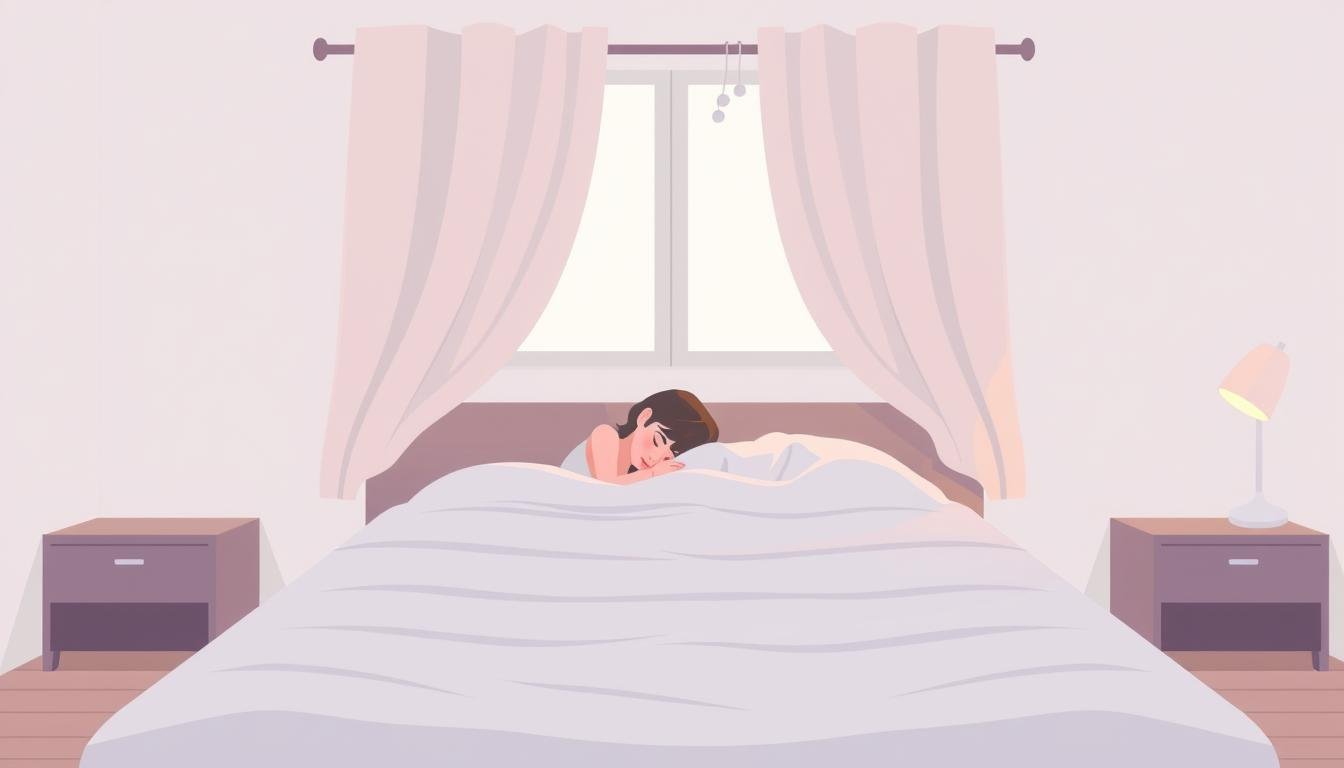
Light exposure proves particularly challenging for daytime sleepers. Blackout curtains or light-blocking shades create essential darkness for melatonin production.
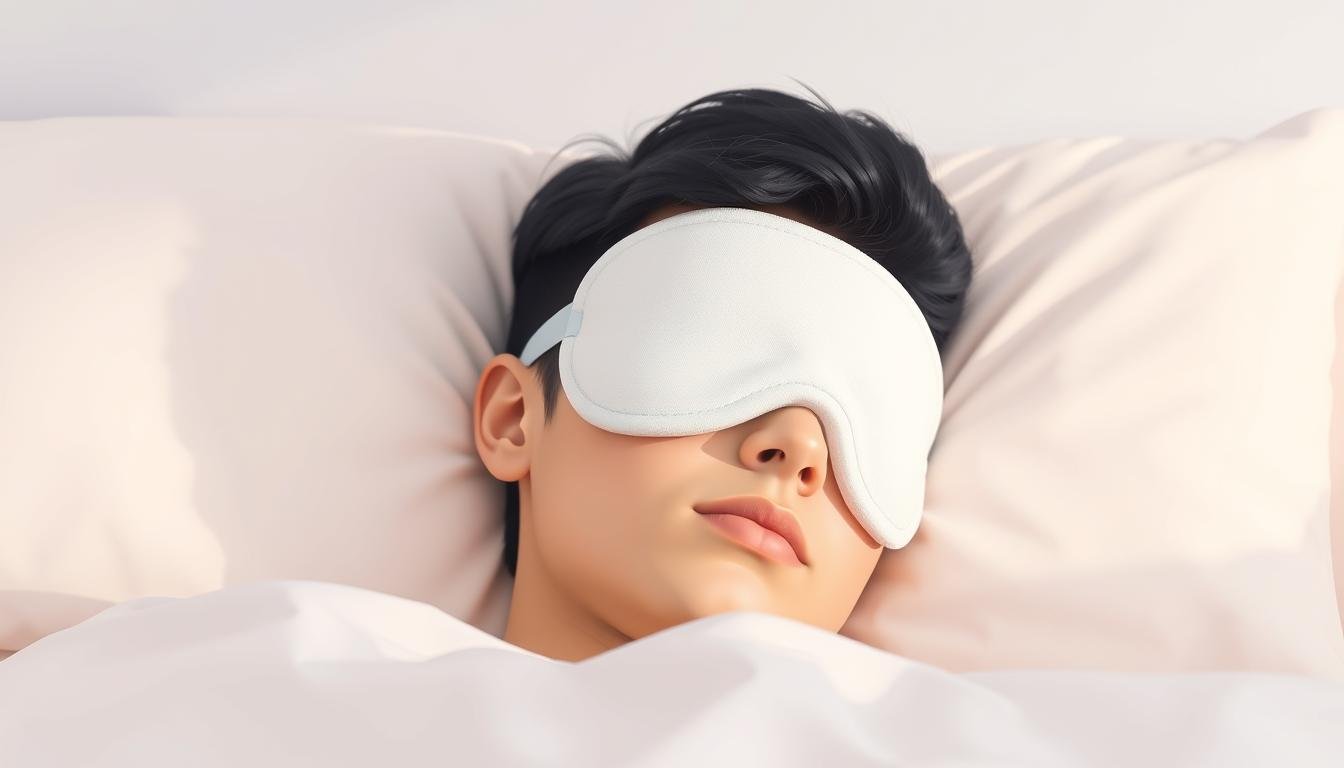
Eye masks offer portable alternatives when room modifications aren’t feasible. These tools help maintain consistent light conditions regardless of external circumstances.
Temperature regulation supports the body’s natural cooling process during sleep. Research indicates optimal room temperatures between 60-68°F for most adults.
Noise reduction strategies include earplugs or white noise machines. These tools mask disruptive sounds from traffic or household activities.
The mattress and bedding quality directly affect comfort levels. Investing in a supportive mattress suited to individual preferences enhances sleep quality.
Seasonally appropriate sheets and blankets help maintain optimal comfort. These adjustments support temperature regulation throughout rest periods.
Make sure to reserve the bed exclusively for sleep and intimate activities. This strengthens the mental association between the bedroom environment and rest.
“The bedroom should function as a sanctuary for sleep, free from work-related distractions and electronic devices.”
For individuals with unconventional schedules, creating a cave-like environment becomes essential. This approach counters conflicting external cues that disrupt natural sleep patterns.
Natural Sleep Aids for Restful Nights
Natural sleep aids provide non-pharmaceutical options for individuals seeking improved rest quality. These interventions may also support those with circadian rhythm disruptions.
Melatonin supplements work by supplementing the body’s natural sleep-regulating hormone. Research indicates they prove most effective when taken 30-60 minutes before intended rest periods.
Certain herbal teas may also help improve sleep quality according to preliminary studies. Chamomile and valerian root represent traditional varieties associated with relaxation benefits.
Aromatherapy using sleep-inducing scents represents another natural approach. A 2021 study demonstrated lavender’s positive effect on the autonomic nervous system.
These aids work best when combined with other sleep hygiene practices. Consultation with healthcare providers before beginning any supplement regimen remains advisable.
Deep Breathing and Mindfulness Techniques
Specific breathing and meditation techniques can deliberately shift the body from alertness to relaxation states. These methods provide direct physiological intervention for sleep difficulties.
Practicing the 4-7-8 Breathing Exercise
The 4-7-8 breathing exercise serves as a natural tranquilizer. Inhale through the nose for four seconds, hold for seven seconds, then exhale through the mouth for eight seconds.
Repeat this cycle four times for optimal effect. Proper technique requires diaphragmatic breathing rather than shallow chest breaths.
| Technique | Primary Focus | Duration | Physiological Impact |
|---|---|---|---|
| 4-7-8 Breathing | Respiratory Control | 2-3 minutes | Heart Rate Reduction |
| Progressive Muscle Relaxation | Physical Tension | 10-15 minutes | Muscle Release |
| Body Scan Meditation | Awareness | 5-10 minutes | Stress Hormone Decline |
Progressive Muscle Relaxation Tips
Progressive muscle relaxation systematically addresses physical tension. Start with toes and progress upward, tensing each muscle group for five seconds before release.
This technique requires only minutes to perform yet produces measurable physiological changes. Consistent practice strengthens the relaxation response over time.
“Controlled breathing represents one of the most accessible tools for managing the stress response system.”
Research demonstrates that specific breathing exercises prove effective for improving sleep onset. Mindfulness meditation also shows benefits for individuals with sleep challenges.
Managing Sleep-Disrupting Thoughts and Stress
Mental rumination transforms the bed into a place of mental activity rather than rest. The quiet darkness intended for sleep often amplifies concerns about unfinished tasks.
Research demonstrates that writing detailed lists before bed helps quiet the mind. One controlled trial found participants fell asleep faster when they documented specific tasks with time estimates.
Journaling and Offloading Daily Worries
This cognitive offloading technique signals the brain that concerns are captured externally. Keeping a notebook nearby allows immediate documentation when intrusive thoughts arise.
Clock-watching during the night creates counterproductive anxiety. Monitoring elapsed minutes triggers worry cycles that increase alertness.
Sleep specialists recommend the 15-20 minute rule. If rest doesn’t occur within this timeframe, leave the bed to prevent associating it with frustration.
Multiple research trials validate cognitive refocusing techniques. These evidence-based approaches help individuals get sleep by managing mental activity.
Conclusion
Mastering rest after unconventional work hours demands a comprehensive strategy. This approach addresses physiological, environmental, and psychological factors that influence sleep patterns.
The evidence-based methods discussed provide practical tools for improving sleep quality. These range from environmental adjustments to cognitive techniques. Individual experimentation helps identify the most effective combination.
Consistency remains crucial for developing new sleep habits. The body requires time to adapt to different rest schedules. Specialized approaches are necessary for those managing sleep and shift work.
Chronic sleep deprivation carries significant health risks. These include cardiovascular issues and weakened immunity. Persistent difficulties may indicate underlying conditions requiring professional evaluation.
Treating sleep as a health priority yields measurable benefits. Improved rest enhances safety, mood, and overall quality of life.