Light exposure tricks for shift workers trying to reset body clocks
Your job demands you be alert when the world sleeps. Nurses, drivers, and security teams know this reality well. Working through the night or on rotating schedules throws your natural rhythm out of sync every single week.
This internal timing system is your circadian rhythm. It’s your body’s master clock, guiding hormone release and telling you when to feel tired or awake. Staying in sync with your environment is crucial for good health.
Brightness is the most powerful signal for this internal clock. But life indoors under artificial lighting can easily disrupt your natural cycle. A long-term breakdown can lead to serious health risks.
Most sleep advice does not work for people who need rest during the day. This guide is different. It offers science-based, practical methods to help you fall asleep faster and wake up less groggy.
You will learn simple strategies for small apartments and busy schedules. Discover when to seek brightness and when to avoid it to help your brain release the right hormones at the right time.
These approaches come from research on shift workers. You do not need expensive gadgets or a complete life overhaul. Just small, manageable changes to find real rest before your next shift.
Understanding Circadian Rhythms and Body Clocks
Shift work creates a daily conflict between your job requirements and your biological programming. Your internal timing system expects daylight for activity and darkness for rest. Working against this natural cycle makes quality sleep challenging.
What Are Circadian Rhythms?
Your circadian rhythm is your body’s internal timing system. It follows a twenty-four hour cycle that governs sleep, hormone release, and body temperature. This biological clock coordinates multiple systems throughout your day.
Deep in your brain, a tiny control center called the suprachiasmatic nucleus acts as the conductor. It sends signals to regulate energy hormones, digestion, and sleep preparation. This master clock evolved to protect organisms from sun damage millions of years ago.
| Body System | Morning Function | Evening Function | Night Function |
|---|---|---|---|
| Endocrine System | Releases cortisol for energy | Balances hormone levels | Produces melatonin for sleep |
| Digestive System | Prepares for breakfast metabolism | Processes daytime meals | Slows digestion for rest |
| Nervous System | Increases alertness | Maintains cognitive function | Promotes relaxation |
Impact of Shift Work on Your Internal Clock
When you work nights, your brain receives brightness signals during hours it expects darkness. This confusion disrupts the hormone cycle that prepares your body for rest. Your internal timing system fights against millions of years of biological programming.
Your endocrine system cannot produce the right hormones at the right time. This explains why you feel exhausted even after sufficient sleep. Understanding this science helps you see why controlling your environment matters more than willpower. Finding the best time to use light therapy for shift becomes essential for resetting your system effectively.
The Role of Light in Regulating Sleep Patterns
Your ability to sleep well after a night shift hinges on understanding how environmental factors influence your internal timing. The right signals at the right time make all the difference.
Natural Sunlight Versus Artificial Light
Not all brightness is created equal. Natural outdoor illumination provides 10 to 1,000 times more intensity than typical indoor settings. This powerful signal tells your brain it’s time to be alert.
Indoor environments like hospitals and offices offer only 150 to 1,000 lux. That’s why sitting near a window doesn’t give your system the strong cue it needs. Your ipRGC cells respond strongly to these differences.
| Light Source | Typical Intensity | Effect on Alertness | Best Time for Use |
|---|---|---|---|
| Natural Sunlight | 10,000-100,000 lux | Strong wake-up signal | Morning after night shift |
| Office Lighting | 150-1,000 lux | Moderate effect | During work hours |
| Home Lighting | 100-500 lux | Minimal impact | Evening wind-down |
How Blue Light Affects Melatonin Production
Blue wavelengths have the strongest impact on your internal timing. Morning sun contains more blue tones, helping you feel awake. Evening light shifts to redder spectrums.
Digital screens emit significant blue wavelengths. Using them before bed can block melatonin production for hours. This keeps you alert when you should be winding down.
Research shows blue-enriched morning illumination improves reaction times during your shift. But the same light source used late at night disrupts your natural sleep preparation.
Light Exposure Tricks for Resetting Body Clock
Strategic light management offers the most direct path to better rest for those working unconventional hours. Your internal timing system responds to carefully planned brightness signals throughout your day.
Morning Sunlight and Its Benefits
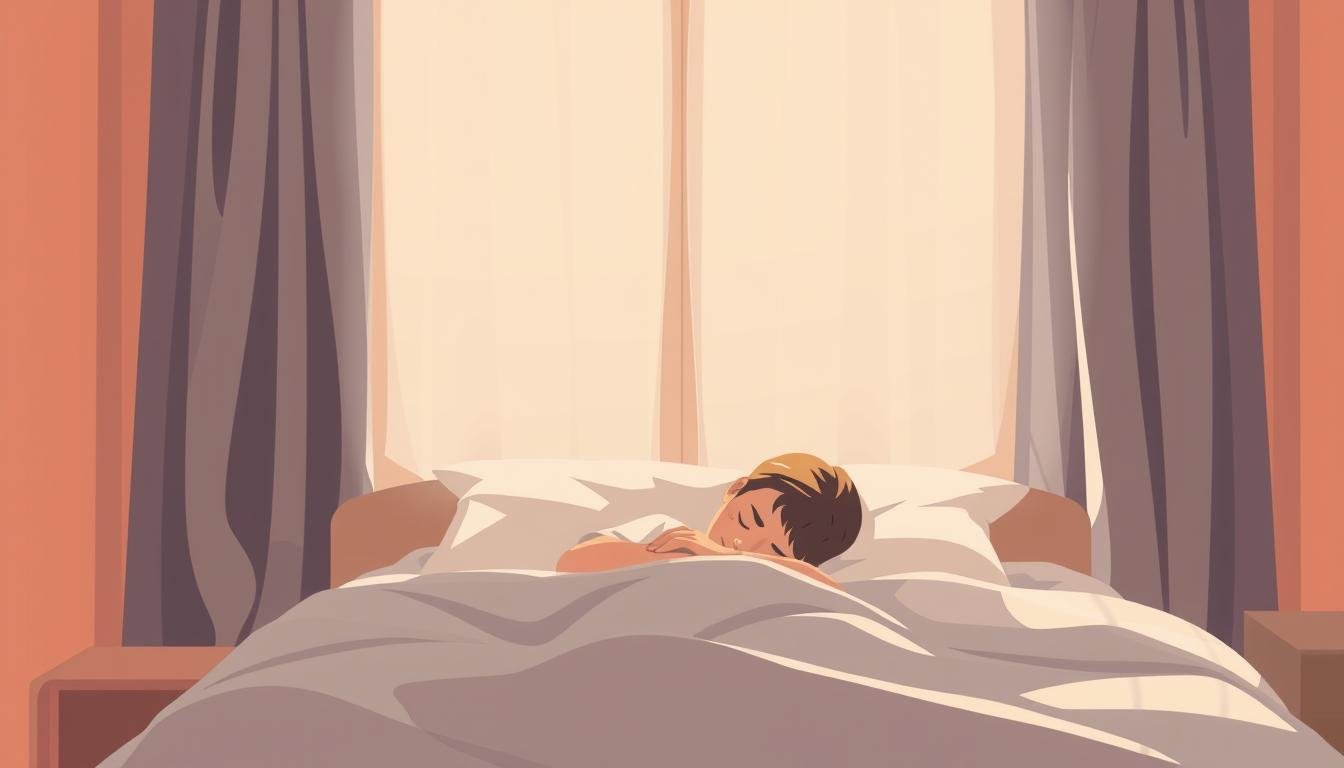
Getting bright natural illumination soon after waking tells your brain it’s time to wind down. This approach works even when the rest of the world is starting their day.
Research shows morning brightness exposure improves sleep quality and daytime energy levels. The exact timing matters more than the duration for maximum effect.
For example, a nurse finishing at 7 AM should seek morning sunlight before heading home. This signals the internal clock to prepare for rest despite the bright outdoor conditions.
Evening Light Management Strategies
Managing your environment before planned sleep is equally important. Dim overhead illumination and switch to softer table lamps two hours before bedtime.
Avoid screens and bright sources during this wind-down period. Gradual darkness helps your brain ramp up melatonin production naturally.
This approach works whether your target rest time is 8 AM or 10 PM. Creating a consistent pre-sleep routine reinforces your desired circadian rhythm pattern.
Small changes in your light environment can significantly improve your sleep quality. Consistency is the key to helping your internal timing system adapt.
Practical How-To Guide for Shift Workers
You know your work hours are fixed. The real challenge is aligning your rest with your life. This guide gives you clear steps to make that happen.
We focus on two key areas: managing your daily signals and optimizing your bedroom. These methods are designed for real people with demanding jobs.
Step-by-Step Light Exposure Techniques
Start by shifting your sleep schedule slowly. Change your rest times by one hour each day. This gradual approach prevents the jarring effects similar to jet lag.
Identify your ideal sleep window based on your shift. Then, follow these steps:
- After waking: Get thirty minutes of bright illumination. Step outside or sit by a large window.
- Before your shift: Seek brightness to signal wakefulness to your system.
- Two hours before bed: Avoid all bright sources. Dim indoor lights and turn off screens.
Consistency turns these actions into a powerful routine.
Creating a Sleep-Conducive Environment
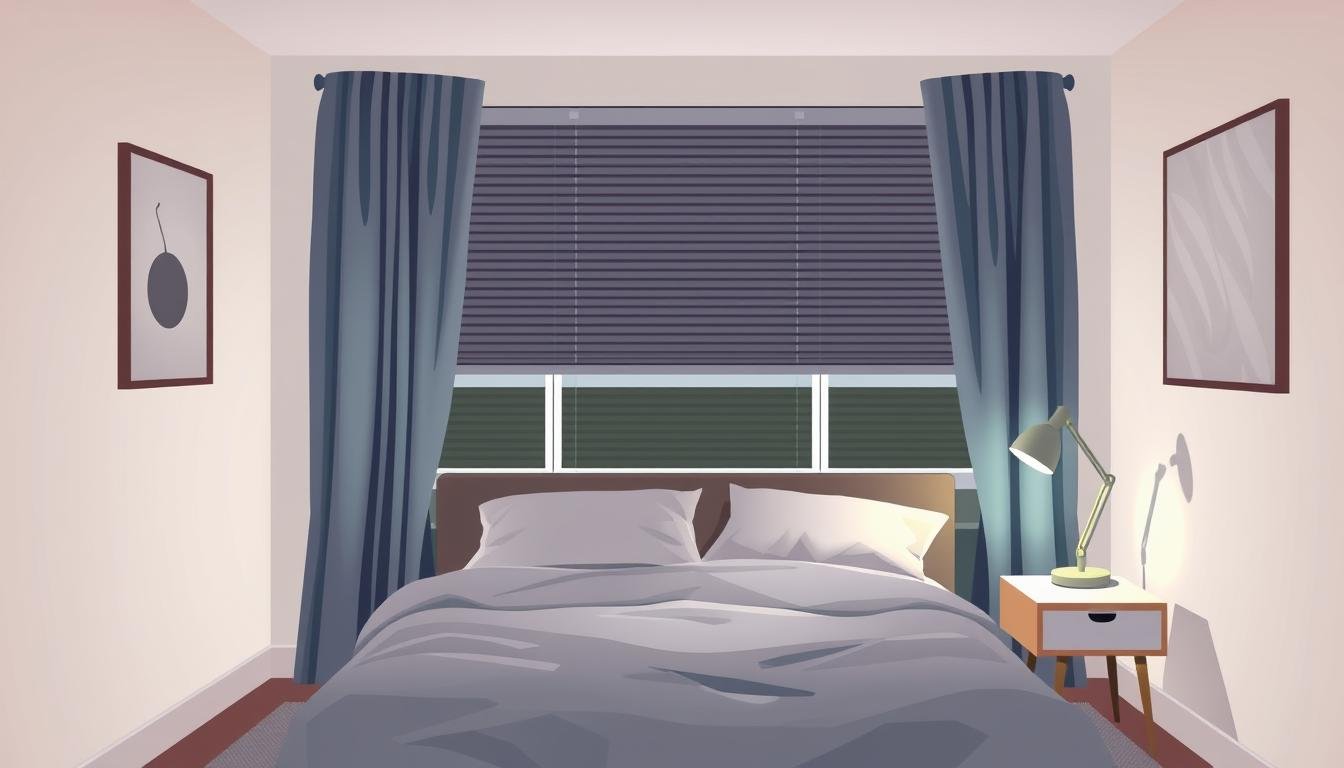
Your bedroom should be a sanctuary for rest. Darkness is not optional. Use blackout curtains that cover the entire window.
Keep the room cool, between sixty and sixty-seven degrees. Your body temperature drops when you fall asleep. A warm room fights this natural process.
Establish a pre-sleep ritual. This might include a warm shower or reading a book under a dim lamp. It signals to your internal timing that rest is coming.
If you cannot fall asleep within twenty minutes, get out of bed. Sit in a dim room until you feel sleepy. This keeps your bed associated only with rest.
Stick to your schedule even on days off. It protects the progress you make during your work week.
Lifestyle Modifications to Enhance Your Sleep
The timing of your meals and physical activity creates powerful signals that help regulate your internal sleep-wake cycle. These daily habits work alongside other strategies to support your sleep after a 12-hour night shift.
Consistent Meal and Exercise Routines
Your meal schedule affects your circadian rhythm almost as much as environmental factors. Eating at consistent times each day helps your digestive system anticipate food. This regularity stabilizes your internal timing.
Eat a solid meal right after waking, regardless of the hour. This tells your system the active part of your day has begun. Avoid large meals in the two hours before planned sleep.
Exercise during your waking hours, not before bed. Physical activity raises core temperature and boosts alertness. Light movement at the start of your shift reinforces wakefulness.
Caffeine can help during work but stop at least six hours before sleep. Alcohol might feel relaxing but disrupts deep sleep cycles. Build consistent habits around these substances.
Small changes to your daily routine add up over time. Adjust meal and workout schedules gradually. Your body will learn your new rhythm with patience.
Utilizing Technology and Tools for Better Sleep
Modern tools can offer a helping hand when natural methods fall short. They provide data and consistency for those with demanding schedules.
This is especially true if you live where sunshine is scarce for much of the year.
Bright Light Therapy Lamps and Devices
These lamps are a powerful alternative to natural sunshine. They deliver intense illumination that signals your brain it’s time to be awake.
Look for a device that emits at least ten thousand lux and filters out UV rays. Use it for about thirty minutes at the start of your wake period.
Place it on a table nearby while you get ready. You do not need to stare directly at it.
This approach is vital for people in northern climates or those who cannot go outside after a night shift.
Apps and Gadgets to Monitor Sleep Patterns
Wearable devices and smartphone apps can track your sleep cycle. They show how long it takes to fall asleep and how often you wake up.
Some apps send reminders to dim your screens and start winding down. This helps maintain a consistent routine even when your schedule changes.
Remember, these tools support your efforts. They cannot fix poor habits like using your phone right before bed.
| Tool Type | Primary Function | Best For |
|---|---|---|
| Therapy Lamp | Mimics outdoor brightness | Signaling wakefulness |
| Sleep Tracker | Monitors sleep stages | Identifying patterns |
| Smartphone App | Provides reminders | Maintaining routine |
If you struggle with chronic insomnia or excessive sleepiness, consider speaking with a doctor. A long-term lack of quality rest can impact your overall health.
Conclusion
Taking control of your sleep schedule requires understanding the science behind your natural rhythms. You now have practical methods to help your body clock align with your work hours. These approaches address the core issue—your brain needs clear signals to regulate sleep hormones properly.
Start with one small change this week. Get bright illumination after waking or create complete darkness in your bedroom. Consistency turns these actions into powerful routines that help reset circadian patterns over time.
Remember that adapting your circadian rhythm takes patience. Give yourself several days to two weeks of steady effort. Track your progress to see improvements in how quickly you fall asleep and how rested you feel.
If sleep challenges continue despite your best efforts, consider speaking with a healthcare provider. You’re dealing with a real biological challenge, and sometimes professional guidance can make all the difference for your sleep after a 12-hour night shift.