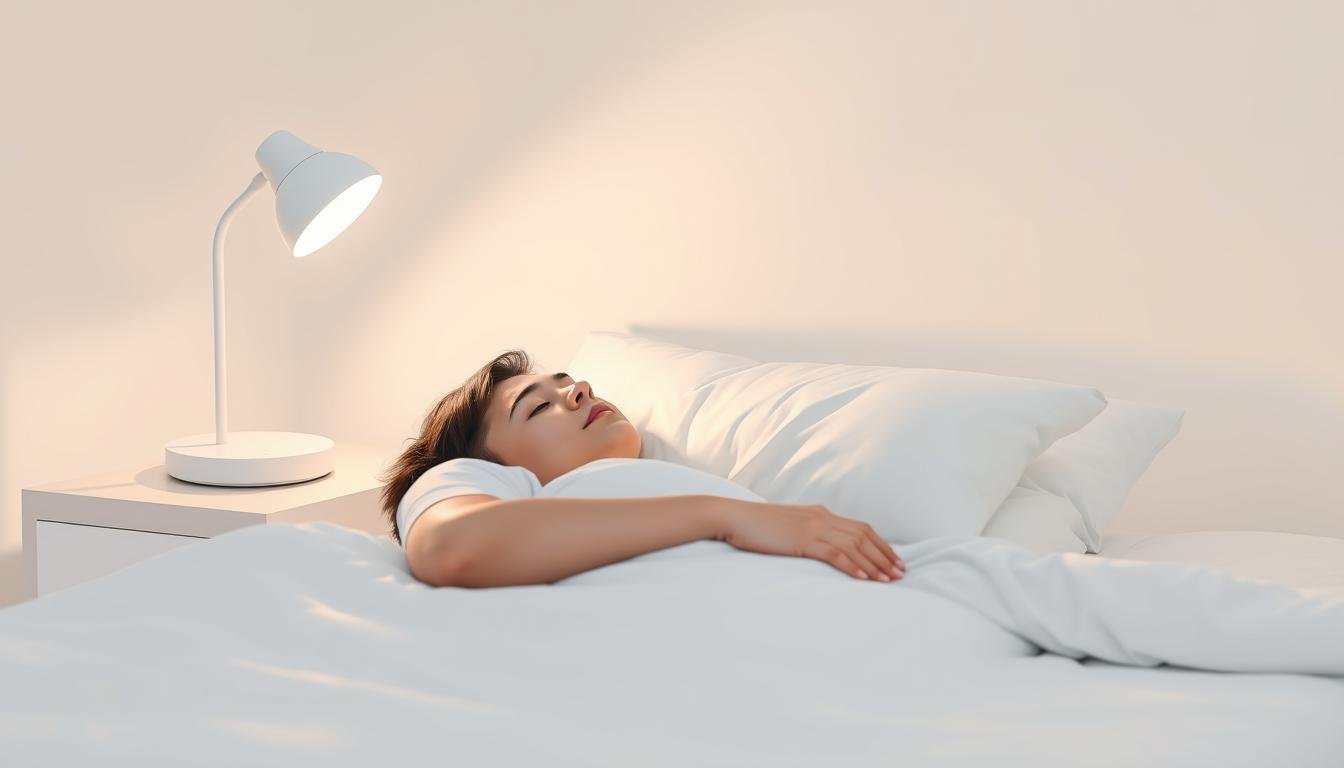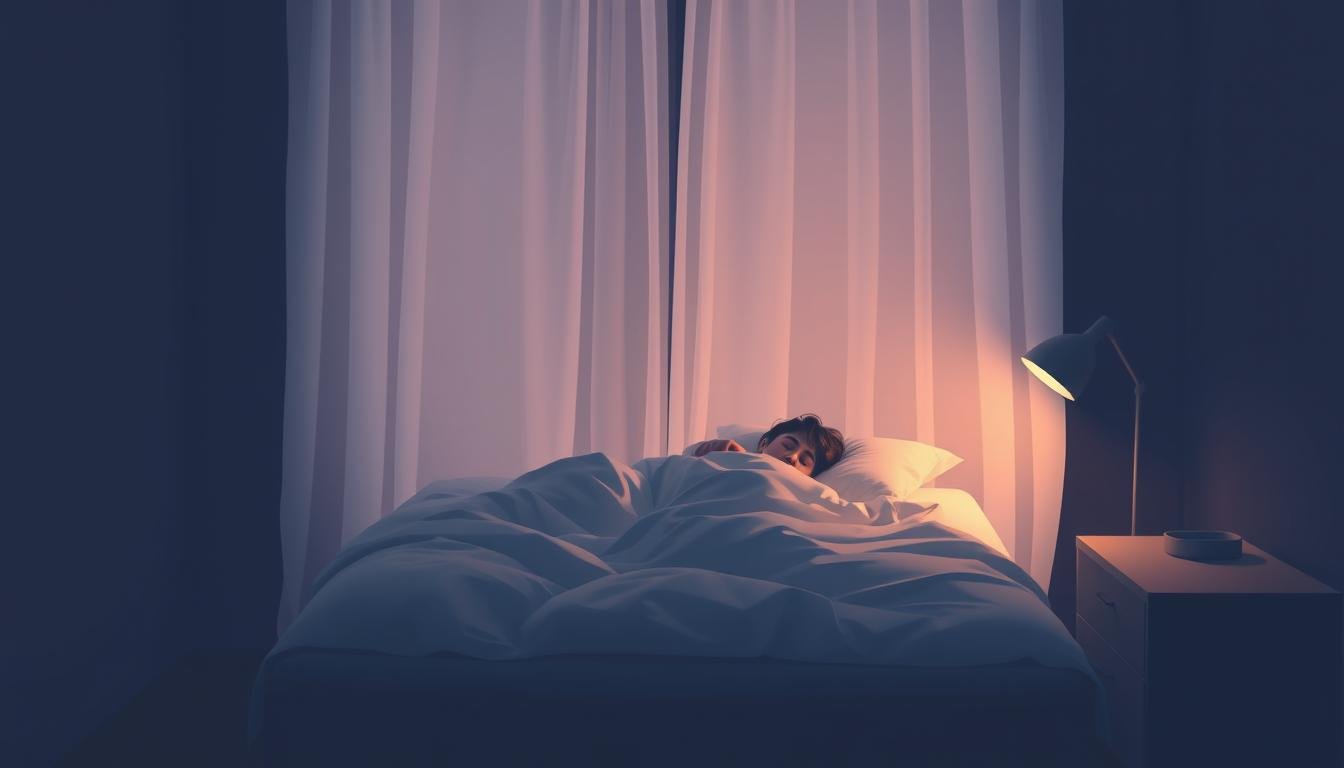
Keeping your room cool and dark for daytime sleep quality
Working through the night takes a toll. Your body craves rest when the sun is high and the world is loud. Getting quality sleep becomes a top priority, not just a wish.
A standard bedroom setup often works against you. Light filters in, signaling your brain it is time to wake up. Even with your eyes closed, this natural signal is powerful. It makes deep, restorative rest feel out of reach.
This guide offers practical steps. We will explore simple, effective ways to transform your space. The focus is on affordable blackout solutions and temperature control. These methods are backed by sleep science and real-world experience.
Small, intentional changes to your environment can have a big impact. They help you fall asleep faster and wake up more refreshed. Let’s build a sanctuary that supports your unique schedule.
Understanding Daytime Sleep and the Role of Darkness
Your body’s internal clock runs on a simple, powerful fuel: light. This rhythm, your circadian rhythm, uses light as its main signal.
It decides when you should feel alert and when you should feel tired.
Impact of Light on Circadian Rhythm
Before electric lights, people woke with the sun and slept after dark. Modern life, especially shift work, has broken that natural pattern.
Your brain still expects darkness for rest. Even a small amount of light from a window or device can signal “wake up.”
This keeps you alert when you need to be sleeping. Research confirms light penetrates closed eyelids. Simply shutting your eyes is not enough in a bright room.
Melatonin Production and Its Effect on Sleep
Darkness triggers your pineal gland to release melatonin. This hormone tells your body it is time to wind down.
Exposure to light blocks this vital hormone. It interferes with your sleep-wake cycle, making deep rest difficult.
Over time, poor sleep is linked to higher risks of depression and anxiety. For night workers, this biology makes a dark room a practical tool, not just a preference.
Knowing light is the enemy of daytime rest is the first step. The next is preparing your space to block it completely.
Preparing Your Bedroom for Daytime Sleep
Creating the right environment starts with understanding light sources. Your bedroom needs complete darkness to support melatonin production.
Choosing the Right Blackout Curtains and Blinds
Standard window treatments often fail to block all light. True blackout curtains use thick, tightly woven fabric. They prevent any light from passing through.
| Window Covering | Light Blocking | Cost | Installation |
|---|---|---|---|
| Standard Curtains | Partial (40-60%) | Low | Easy |
| Blackout Curtains | Complete (95-100%) | Medium | Moderate |
| Custom Blinds | Varies | High | Professional |
Even expensive custom can have gaps. Proper installation matters as much as the product quality.
Blocking External Light Sources Effectively
Check all potential light leaks around . The gap under the door is a common issue. A rolled towel works as a simple fix.
During brightest hours, test your space. If you see your hand after ten minutes, more work is needed. Every crack matters for true darkness.
Effective Strategies for Keeping Room Cool and Dark for Daytime Sleep
Even the best blackout curtains can have small gaps where light finds a way in. Sealing these leaks is crucial for consistent darkness throughout the day.
DIY Solutions and Commercial Options
For gaps around a window frame, a rolled towel works well. Use Velcro strips or removable tape to seal the sides where curtains meet the wall.
Cover small LED lights from devices with black electrical tape. For the window itself, cardboard is a safe temporary cover during high heat.
Rig a second layer with a heavy blanket hung wider than the window. For a permanent fix, Blackout EZ uses Velcro tape for a perfect fit.
Sleepy Sundays offer a portable, static-cling sheet. It guarantees total darkness and is ideal for renters.
Optimizing Room Layout and Window Treatments
Hang your blackout treatments wider and taller than the windows. This simple step catches stray light that standard installations miss.
It creates a deeper light well. This layout trick makes any room in your home more effective for rest.
Maintaining Consistent Darkness Throughout the Day
Check your setup at different times. The sun moves, changing where light enters.
Adjust curtains or add layers as needed. This ensures no bright spots appear during your sleep window.
Effective strategies block outside light and eliminate interior glow. The goal is a cave-like environment that signals rest.
Additional Tips and Considerations for Daytime Sleep
When selecting blackout solutions, the decision often comes down to short-term convenience versus long-term reliability. Your choice impacts both immediate rest quality and lasting comfort.
Temporary Fixes vs. Permanent Installations
Removable options like suction-cup curtains offer flexibility. They work well for occasional naps or testing your needs. However, light often leaks around edges.
Permanent blackout curtains provide consistent darkness. They’re ideal for regular shift workers who need dependable rest. The initial investment pays off in better sleep quality.
| Solution Type | Effectiveness | Durability | Best For |
|---|---|---|---|
| Suction-cup Shades | Moderate (light leaks) | Short-term | Trials, travel |
| Pop-up Blackout Panels | Good (if oversized) | Medium | Renters, temporary needs |
| Permanent Blackout Curtains | Excellent | Long-term | Shift workers, daily use |
Enhancing Privacy and Minimizing Noise Distractions
Thick blackout fabric does more than block light. It muffles street noise and adds privacy. This creates a more secure feeling during daylight hours.
The insulating properties help maintain comfortable temperatures. This is crucial when resting through warm afternoons.
For situations where window treatments aren’t possible, eye masks can help. Remember they only work if worn consistently throughout your rest period.
Layering solutions often provides the best results. Combine permanent curtains with removable shades for complete coverage. Explore more healthy sleep tips to optimize your routine.
Integrating Blackout Solutions for a Better Sleep Environment
Quality blackout solutions should block light effectively while being safe for your household. The right combination creates a complete system that supports rest.
Evaluating Blackout Curtains and Custom Blinds
When selecting curtains, check the fabric weight and light-blocking rating. Make sure they extend several inches beyond your window frame on all sides.
| Feature | Blackout Curtains | Custom Blinds |
|---|---|---|
| Light Control | Excellent coverage | Precise adjustment |
| Installation | Moderate difficulty | Professional needed |
| Cleaning | Vacuum monthly | Wipe down regularly |
| Safety | Cordless options available | Child-safe designs |
| Price Range | $84-$600+ | $190-$1,000+ |
Choose cordless or motorized designs for homes with young children. These options meet safety standards and eliminate dangling cord risks.
Leveraging Smart Technology for Room Temperature Control
Smart thermostats can maintain ideal bedroom conditions while you rest. Program them to lower heat during your sleeping hours.
A truly restful environment balances darkness with comfortable temperature.
Portable fans with smart controls offer another way to manage heat. They work quietly without adding light to your space.
For complete coverage, consider these best ways to make room dark for. Regular maintenance ensures your investment lasts. Vacuum curtains monthly and check hardware stability.
Conclusion
Quality rest during daylight hours is a practical need for many workers. It is not just a luxury. Your body responds to light cues, which makes light and sleep deeply connected. Complete darkness signals your brain to produce melatonin, the hormone for rest.
Aim for a space where you cannot see your hand. This level of darkness requires effort. Solutions range from simple DIY fixes to permanent installations. Find what fits your home and budget.
Combine darkness with temperature control. Blocking the sun’s heat helps maintain a comfortable environment. Small changes make a big difference. Cover device lights and seal gaps around doors.
Start with one improvement this week. Notice how your body responds. Good rest is essential for your health and safety. You deserve to wake up feeling refreshed and ready.