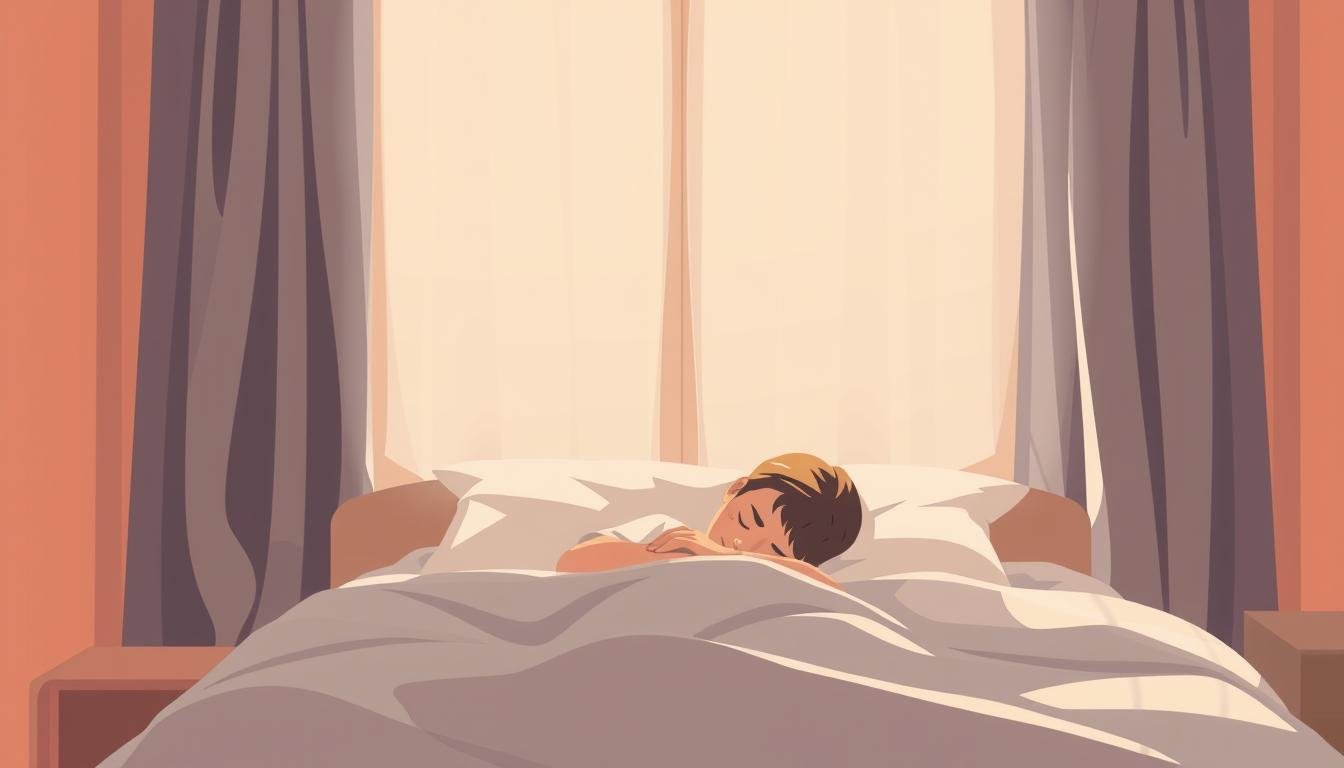
Window hacks that help you sleep during daylight hours
Coming home after a long night shift only to face a bright, sunlit space can feel like a battle. Your body needs rest, but the world outside is just waking up. This is a reality for millions of Americans, including nurses, security personnel, and factory workers.
This struggle is not about willpower. It is biology. Sunlight suppresses melatonin, the hormone that tells your brain it is time to rest. This makes falling and staying asleep incredibly difficult.
Over time, poor rest can lead to fatigue and affect your mood. This guide offers straightforward modifications to create a calm, dark environment. We will explore effective treatments and simple adjustments that respect your schedule and budget.
You do not need extreme measures. With the right combination of techniques, you can transform any room into a sanctuary for rest. Let us walk through practical steps to help you get the sleep you deserve.
Understanding the Daylight Sleep Challenge
The struggle to sleep during bright hours isn’t about weakness—it’s your internal timing system fighting external cues. Your circadian rhythm acts as a biological clock that responds to light and darkness.
The Impact of Sunlight on Circadian Rhythm
Deep in your brain, the suprachiasmatic nucleus detects light through your eyes. When it senses brightness, it shuts down melatonin production. This hormone tells your body it’s time for rest.
Even small amounts of light can interrupt this process. A streetlamp’s glow or a crack around your blinds can disrupt deep sleep. Blue wavelengths from phones and TVs are especially problematic—they mimic daylight.
Common Light Intrusions in the Bedroom
Light often leaks in from unexpected places. Gaps around blinds, reflections off mirrors, and ambient outdoor glow all contribute. For shift workers returning in the morning, these aren’t minor annoyances.
They’re real obstacles to restorative sleep. Temperature also plays a role—rooms that are too warm make it harder to fall asleep. Controlling both light and temperature creates the ideal environment for daytime rest.
Your body needs consistent darkness to maintain quality sleep after a long night. Addressing these intrusions helps your natural rhythms work with your schedule, not against it.
Strategies for a Darker Bedroom Environment
Transforming your space into a dark sanctuary is a practical first step toward better rest. The right window treatments can make a dramatic difference. They are your primary defense against intrusive light.
Exploring Blackout Blinds, Cellular Shades, and Draperies
Blackout blinds are the gold standard. They are engineered to block 99-100% of external light. Custom-fit models with side channels seal light leaks at the edges. This creates near-total darkness.
Cellular shades offer a unique advantage. Their honeycomb design provides excellent light control, blocking 95-99% of light. They also offer high thermal insulation. This keeps your room cooler in summer and warmer in winter.
Blackout curtains are a flexible, affordable choice. Heavier fabrics with blackout liners prevent light from passing through. They work well alone or as a layer over existing blinds. This flexibility makes them a popular option.
Cost is an important factor for many. Here is a quick breakdown of what you might expect to pay per window:
| Window Treatment | Light Blockage | Estimated Cost |
|---|---|---|
| Blackout Roller Blinds | 99-100% | $40 – $120 |
| Cellular Shades | 95-99% | $60 – $180 |
| Blackout Curtains | 99-100% | $30 – $100 per panel |
For the best results, consider layering treatments. Pairing blackout blinds with heavy curtains adds redundancy. If one layer lets in a sliver of light, the second catches it. This combination is especially effective for large surfaces or rooms with reflective walls.
Layering also improves insulation and noise reduction. The added fabric dampens street sounds. It helps maintain a comfortable temperature. This creates a more peaceful environment for rest. Understanding these options helps you stop waking up too early from your sleep.
No single solution is perfect for every space. Assess your specific needs and budget to find the right combination. The goal is consistent, reliable darkness.
Window Hacks for Sleeping During Daylight
Even the best blackout treatments can leave frustrating gaps where light sneaks through. These small openings can ruin your hard-earned rest after a long shift.
Utilizing Side Channels, Top Tracks, and L-Tracks
Side channels solve this problem beautifully. These slim tracks run vertically along your window sides. They create a tight seal between the wall and your existing blinds or shades.
Installation takes minutes with no tools required. This makes them perfect for renters or anyone avoiding wall damage. They work with most blackout options already in your home.
L-tracks offer flexibility for tricky windows. Their L-shaped design hugs the frame tightly. This catches stray beams that other solutions might miss.
You can trim them to fit any window size exactly. They come in neutral colors or can be painted. This keeps your bedroom looking clean and intentional.
Top tracks block overhead light completely. They form a tight seal where the shade meets the frame. This is crucial for east-facing rooms or apartments.
Combine side channels with a top track for maximum effect. This creates a three-sided shield against light leaks. The result is near-total darkness for uninterrupted sleep.
Extensions fill any remaining millimeter gaps. They adapt to various window shapes in your home. This provides a personalized solution for persistent light problems.
Mounting options suit different living situations. Magnetic systems work for renters—they attach and detach easily. Foam adhesive systems offer permanent solutions for homeowners.
Smart Adjustments Beyond Window Treatments
Creating a truly restful space requires looking beyond your windows. Small changes inside your bedroom can dramatically improve your sleep quality.
Even with perfect blackout coverage, internal light sources can disrupt rest. The glow from alarm clocks or charging cables tricks your brain. Cover these LEDs with tape or choose devices with dimmable displays.
Incorporating Sleep Accessories and Noise Reduction
Daytime brings unique noise challenges. Traffic, lawn mowers, and household activity can interrupt your slumber. A white noise machine or fan creates a consistent sound blanket.
This masks unpredictable external sounds. For complete silence, combine with comfortable earplugs.
Sleep masks provide portable darkness. They’re ideal for travel or supplementing your bedroom setup. Choose a contour mask that doesn’t press on your eyelids.
Effective Sleep Hygiene Practices for Shift Workers
Consistency stabilizes your body’s internal clock. Stick to similar bedtimes even on days off. This helps your circadian rhythm adapt to your work schedule.
Develop a pre-sleep routine to signal rest time:
- Dim lights 30-60 minutes before bed
- Avoid screens and bright displays
- Read or stretch with soft lighting
Limit caffeine in the last hours of your shift. Reserve your bedroom strictly for rest. This strengthens the mental association between your bed and sleep.
These small adjustments work together with your light-blocking efforts. They create an environment where quality rest becomes possible, regardless of the time.
Design and Installation Tips for a Seamless Look
Your bedroom should feel like a retreat, not a makeshift workshop. The right design choices make your light control system blend naturally into your space.
This creates an environment focused on comfort rather than compromise.
Custom Fit Solutions for Odd-Shaped Windows
Not every opening is a perfect rectangle. Arched, recessed, or extra-wide frames need personalized solutions.
Products like L-tracks and extensions can be trimmed to your exact specifications. This ensures a tight seal against light leaks regardless of shape.
Many accessories come in neutral colors like white or beige. Some feature paintable finishes to match your existing décor.
Balancing Aesthetics with Functionality
Inside-mount blinds fit within the frame for a sleek, minimal appearance. Outside-mount options cover the entire frame area for superior light blockage.
Your choice depends on prioritizing style versus maximum darkness.
Motorized systems offer consistency without daily effort. Schedule them via app to close automatically at bedtime.
This removes human error after long shifts.
Layer decorative Roman shades over blackout rollers for dual functionality. You get a polished look by day and total darkness when needed.
Installation stays simple with magnetic or adhesive mounts. These options take minutes without drilling.
They’re ideal for renters or anyone short on time.
The goal is creating a comfortable space that works with your life. Choose options that fit your home, budget, and schedule perfectly.
Optimizing Sleep Quality with Combined Techniques
The most effective strategy for daytime rest often involves using more than one method at a time. Layering your defenses creates a system where if one layer fails, another catches the problem. This approach is crucial for achieving consistent darkness.
Layering Treatments for Maximum Darkness
Pairing different window treatments adds redundancy. For example, installing blackout blinds and then adding heavy curtains covers gaps. This double-layer method is vital for large glass surfaces or rooms with light-colored walls that reflect light.
This strategy also improves your room’s environment. Many blackout curtains have thermal linings. They help maintain a stable temperature, which is key to sleep quality. A cooler room supports deeper rest.
| Combination | Primary Benefit | Best For |
|---|---|---|
| Blinds + Curtains | Blocks 99.9% of light | Large windows, reflective rooms |
| Shades + Side Channels | Eliminates edge gaps | Any window with light leaks |
| Thermal Curtains Alone | Light & temperature control | Budget-friendly, simple setup |
Small, do-it-yourself tweaks can seal the last bits of light. Apply adhesive foam tape around the frame. Use Velcro to attach fabric flaps. A simple cornice board above the frame blocks overhead glare. These fixes take minutes and cost very little.
Each small change adds up to better rest. You do not need a perfect setup immediately. Start with one combination and adjust. The goal is steady progress toward an environment that supports your health. For more ideas, explore these genius hacks to improve your sleep. If your schedule changes, learn how to reset your sleep after a 12-hour night.
Conclusion
After a demanding night shift, your rest is a vital part of your health and safety. It is not a luxury. The strategies we discussed work together to support you.
You do not need a complete bedroom overhaul. Even one upgrade makes a difference. Adding side channels to blinds or layering blackout curtains can transform your sleep.
Start with your largest source of light. Then build on that foundation. Small changes like covering electronics or using a sleep mask add up. They help your body’s natural rhythm adjust.
Your room can become a true sanctuary. Explore these effective blackout strategies to begin. If your schedule changes, learn how to reset your sleep pattern.
You deserve deep, restorative rest after your work. Take one small step today. Your well-being is worth it.