How to use natural sunlight wisely on your rest days
After a string of night shifts or changing hours, your body needs more than just extra sleep. It craves a real reset. The good news is that one of the simplest solutions is available to everyone.
Many people working nontraditional hours don’t realize how much natural light can help. It directly addresses poor sleep, low mood, and that lingering sluggish feeling even after time off.
This guide shows you how to harness daylight effectively. You can regulate your internal clock and improve your sleep without spending money or complicating your routine.
You will learn the best times to get light exposure, ideal duration outside, and how to protect your skin. These strategies are designed for your schedule, whether you work in a hospital, drive trucks, or manage warehouse operations.
The advice comes from research on circadian rhythms and sleep science. It is tailored for those whose lives don’t follow a nine-to-five pattern.
You don’t need special gear or perfect conditions. Just a willingness to step outside and let your body absorb what it’s designed for.
Embracing the Power of Natural Sunlight
Your body’s internal clock responds directly to the quality of light it receives. After nights spent under artificial lighting, your system craves the full spectrum of natural illumination.
Understanding the Science Behind Light and Health
Research shows that specific wavelengths trigger vitamin D production in your skin. This process supports bone strength and immune function. The right light exposure also signals your brain to regulate hormones properly.
Morning light in particular helps synchronize your internal clock. It tells your body to release cortisol for energy and dopamine for motivation. This natural reset improves sleep quality and mental clarity.
Guidelines for Safe and Effective Exposure
You don’t need hours outside to experience benefits. Short, consistent sessions work well for most people. Aim for 15-20 minutes during morning hours.
Protect your skin with sunscreen after initial exposure. Find shaded areas or wear protective clothing for longer periods. The effects on your mood and energy make this habit worth maintaining.
Even brief moments outside can make a measurable difference in how you feel. Your body knows how to use this natural resource for better health.
The Role of Sunlight in Regulating Your Sleep and Circadian Rhythm
Your body operates on a master clock. This internal clock dictates when you feel alert and when you feel tired. It governs more than just sleep.
Light is the primary signal that sets this clock each day. Without clear signals, your rhythm can drift, leading to poor sleep.
Morning Sunlight: The Natural Wake-Up Call
Stepping outside soon after you wake up is a powerful reset. Light entering your eyes triggers a healthy cortisol rise. This boost promotes daytime alertness.
On a bright morning, just 5 to 10 minutes is effective. For cloudy days, aim for 15 to 20 minutes. This habit helps regulate melatonin production for later.
It tells your body it is daytime. This simple action prepares you for better sleep when night arrives.
Evening Light: Signaling Your Body to Wind Down
Afternoon light acts as a second cue. The low sun provides yellow and orange wavelengths. These colors signal the day is ending.
This exposure helps reduce the impact of artificial light at night. It reinforces your sleep-wake cycle.
This evening signal is crucial for maintaining a consistent circadian rhythm, especially after unusual hours.
Avoid bright overhead lights between 10 p.m. and 4 a.m. This protects your melatonin levels and supports stable mood.
Enhancing Mental Health with Sunlight Exposure
The connection between light exposure and emotional well-being is stronger than many realize. For those working nights or rotating shifts, this relationship becomes crucial for maintaining balance.
Natural illumination directly influences your brain chemistry. It triggers the release of serotonin, a key neurotransmitter for stable moods.
Boosting Mood and Increasing Serotonin Levels
Serotonin acts as your body’s natural mood regulator. Adequate levels help you feel calm and focused throughout the day.
Research shows that people with seasonal affective disorder (SAD) experience significant relief from morning light. One study found a 50% improvement in symptoms after consistent outdoor walks.
This table shows how different light exposures affect your mental state:
| Time of Day | Light Type | Effect on Mood |
|---|---|---|
| Morning (6-10 AM) | Natural Sunlight | Boosts serotonin, improves focus |
| Afternoon | Indirect Light | Maintains energy, stabilizes mood |
| Night (10 PM-4 AM) | Artificial/Screen | Decreases dopamine, worsens depression |
For night workers, managing light exposure is essential. The right light color for night shift energy can make a real difference in how you feel.
Even brief periods outdoors can help combat the mental fog from irregular hours. Your brain responds to these small consistent actions.
Winter months present additional challenges. Shorter days mean less opportunity for natural light exposure. This makes strategic planning even more important for your mental health.
Seasonal affective disorder affects many people during darker months. Understanding these patterns helps you take proactive steps toward emotional balance.
Tips for using sunlight wisely on rest days
Your off days are a chance to reset your body’s clock. Smart light habits make that reset effective and safe.
Structure these days to get the most from the sun without risking your skin.
Incorporating Sunlight into Your Rest Day Routine
Aim for that early morning window, between 8 a.m. and 10 a.m. This is your sweet spot. The sun’s rays are strong enough for benefits but gentler on your skin.
Start with 10 to 30 minutes. Adjust for your skin tone and the weather. Cloudy conditions may need more time.
Combine this with a simple activity. Enjoy your coffee outside. Take a brief walk. Or do some gentle stretches in the yard.
Remember: Go outside. Glass windows block the essential UVB rays your body needs. Face toward the sun with eyes open or gently closed. Never stare directly at it.
Regular glasses or contacts are fine. Avoid sunglasses or blue-light blockers during this morning session.
Balancing Benefits with Skin Protection
Safety is key. The midday sun, from 10 a.m. to 4 p.m., is intense. Limit direct exposure during these hours.
For an extra mood and hormone boost, consider afternoon sessions. Spend 20 to 30 minutes outside two or three times per week. Wear shorts and a t-shirt for maximum skin exposure.
This practice has been shown to support healthy hormone levels. The golden rule: never get a sunburn.
Use this guide to find your balance:
| Time of Day | Activity | Skin Protection |
|---|---|---|
| 8 AM – 10 AM | Morning light exposure | Often not needed for short sessions |
| 10 AM – 4 PM | Limit direct sun | Seek shade, wear sunscreen |
| Afternoon | Optional hormone boost | Protect if longer than 30 minutes |
Tools like the Dminder app can help. They calculate safe exposure based on your skin type and location.
These simple steps help you harness the sun’s power responsibly.
Additional Health Boosts from Fresh Air and Sun
Beyond better sleep and mood, your time outside delivers direct physical advantages. These benefits are especially important when your schedule puts extra stress on your system.
Vitamin D Production and Immune Support
Your body creates most of its vitamin D when UVB rays from the sun touch your skin. This process forms vitamin D3, the active form your body can use immediately.
This vitamin is crucial for bone strength and immune function. It helps your white blood cells fight off germs and reduces chronic inflammation.
For shift workers, maintaining good vitamin D levels is a smart move for overall health. It supports muscle function and cardiovascular health.
You don’t need a long session to get this benefit. Just 10 to 30 minutes of morning or early afternoon light on bare skin a few times a week is often enough.
While foods like fatty fish and supplements can help, the vitamin D your body makes from sun exposure is the most effective form.
If you live where winters are dark, consider asking your doctor to check your levels. Prioritize real daylight whenever your schedule allows.
Integrating Sunlight with Your Daily Rituals
Simple daily habits can weave the power of natural light into your life. This makes its benefits consistent and easy to maintain, even with a demanding schedule.
The goal is to make it feel natural, not like another task on your list.
Outdoor Activities That Enhance Your Routine
Pair your morning light exposure with something you already do. Enjoy your coffee on the porch. Take a brief walk with the dog.
If you have children, a morning trip to the park helps everyone. These activities make the habit stick.
Even a few minutes counts. Consistency matters more than long sessions.
Adjusting for Seasonal and Geographic Variations
Your location and the time of year change the plan. In northern winters, you need more time outside to get the same benefits.
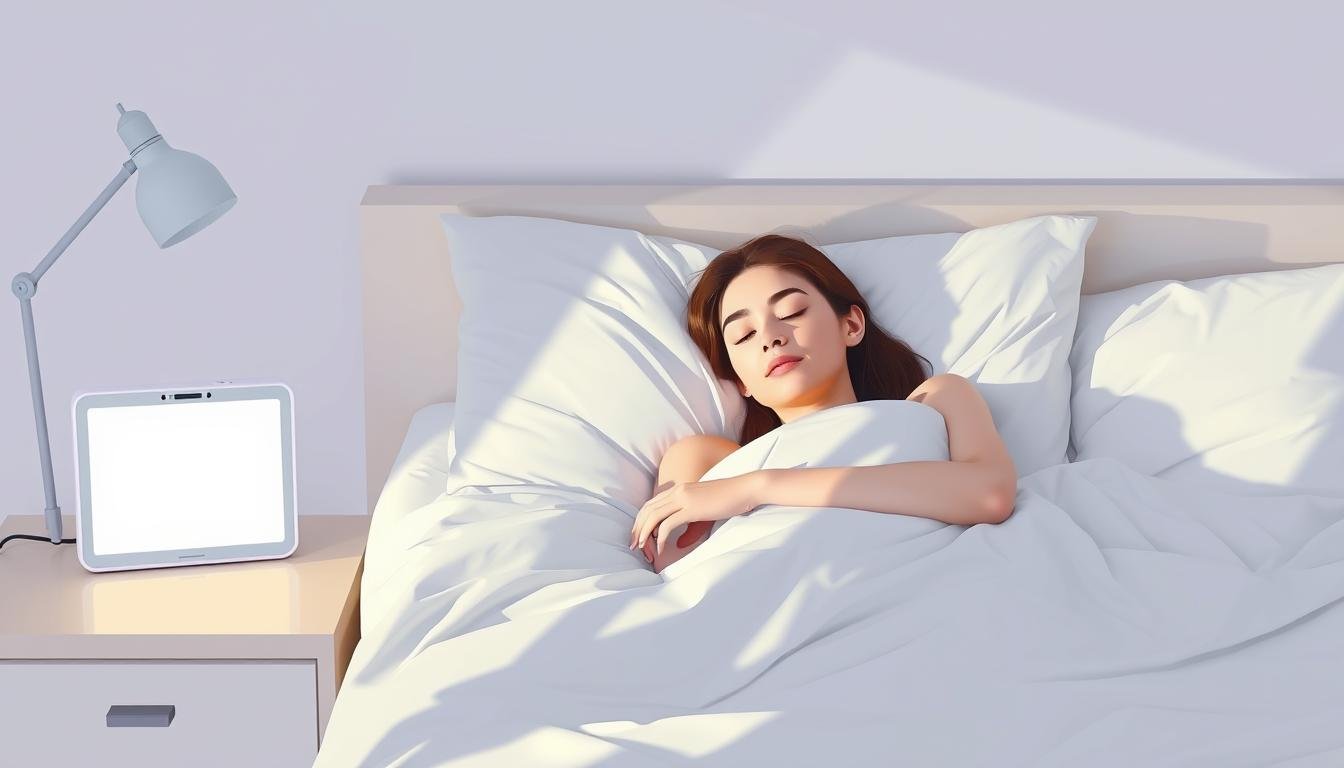
Dark winters or bad weather require a backup plan. A light therapy lamp for 30 minutes each morning can improve your sleep and mood.
At night, use red or amber bulbs if you need to get up. They protect your melatonin levels better than white light.
Keep your bedroom very dark for high-quality sleep. This prevents waking up during daytime sleep and supports metabolic health.
The key is adapting your approach while keeping the core habit.
Conclusion
The consistent practice of morning light exposure delivers measurable improvements in how your body handles shift work stress. This natural approach helps regulate your circadian rhythm and supports better sleep quality throughout your week.
Just 10 to 30 minutes of early daylight signals your brain to adjust hormone levels properly. It boosts mood and strengthens immune function while protecting melatonin production for nighttime rest.
Start with small, manageable sessions on your free days. This simple habit makes a real difference in your overall health and mental well-being after demanding schedules.